 AdventuresNW



Some trips stay with you because of what you see. Others leave an impression through how you move through a place, whether that’s following wildlife across open plains, tracing old routes between cities, or working your way along a coastline shaped over centuries. The journeys below fall into that second category. They aren’t quick stops or single highlights. They unfold over time and often require a bit of effort to connect the places in between.
Encounter Rare Wildlife in Serengeti National Park, Tanzania
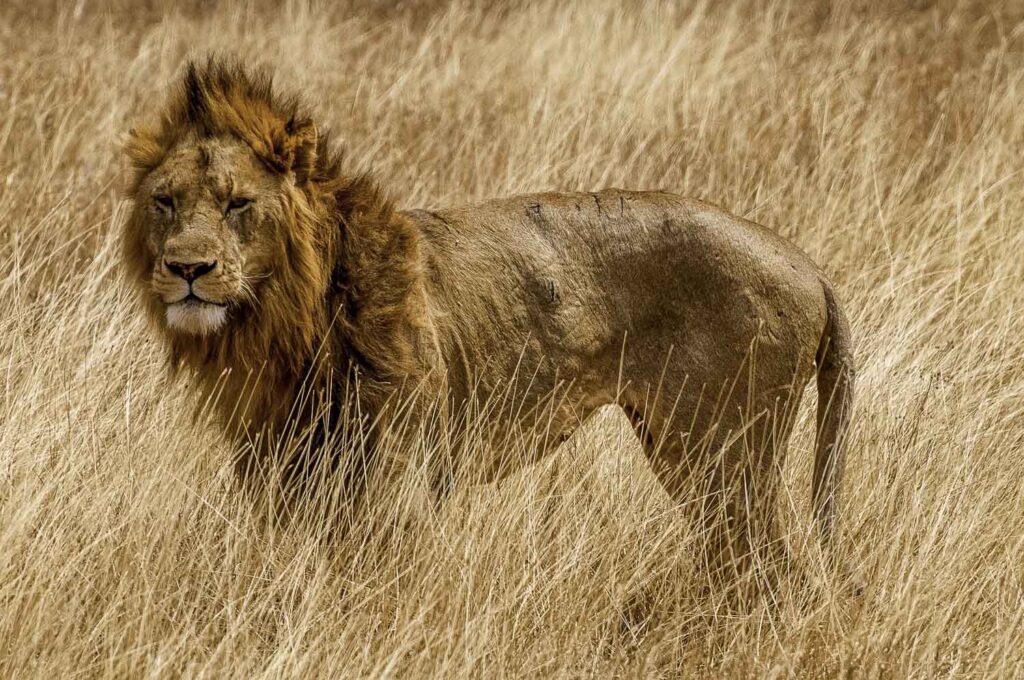
The Serengeti isn’t a place you can cover quickly. Distances are long, and once you leave the airstrip at Seronera, the landscape stretches out with very little interruption. Most travellers move between the central Serengeti, the western corridor near the Grumeti River, and the northern plains closer to the Mara River, depending on the time of year.
Game drives usually start early, often before sunrise, especially around Seronera, where wildlife is most active. Tracks wind between kopjes, the scattered granite outcrops where lions often rest during the day. Further north, near Kogatende, migration crossings can take hours, with vehicles lined quietly along the riverbanks.
The best way to enjoy luxury wildlife safari tours in Tanzania is to book packages that include fly-in access between regions, experienced guides who track recent sightings, and camps positioned close to migration routes. This approach makes a clear difference when covering such a vast area without losing time in transit.
Marvel at the Ancient Incan Ruins of Machu Picchu, Peru
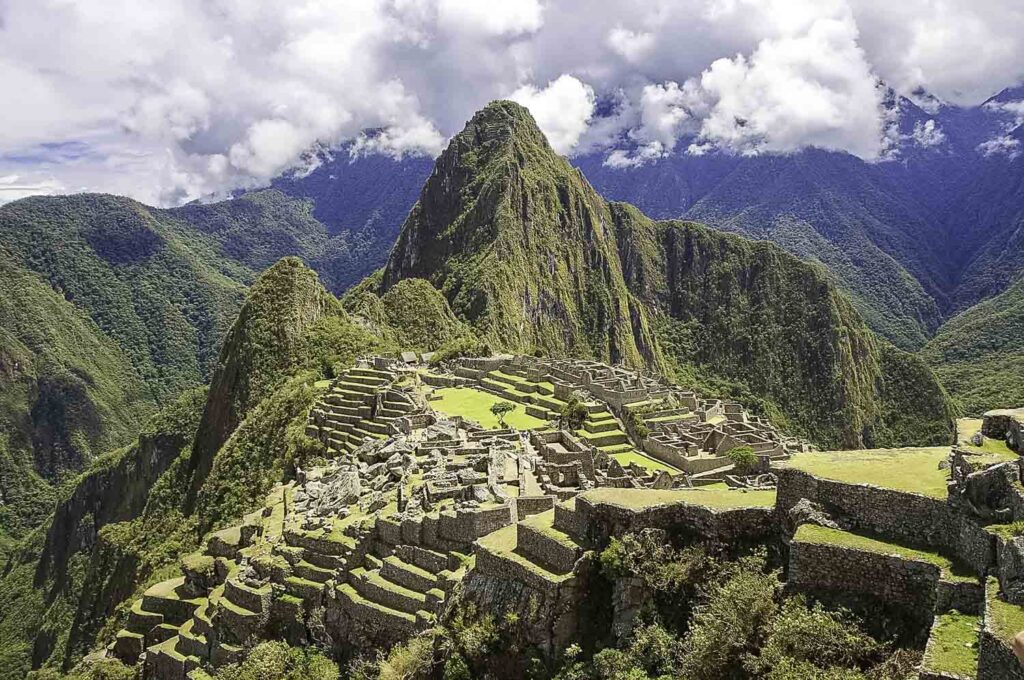
Getting to Machu Picchu involves a few steps, and the route you take shapes the experience. Most travellers start in Cusco, taking time to adjust to the altitude before moving through the Sacred Valley. Places like Ollantaytambo are worth lingering in, not just passing through. The stone streets still follow their original Incan layout, and the terraces above town help you understand how the valley was managed in earlier times.
From Ollantaytambo, trains follow the Urubamba River towards Aguas Calientes. It’s a narrow route, with cliffs on either side, and you start to see how isolated Machu Picchu would have felt. Once in Aguas Calientes, buses run up the switchback road from Avenida Hermanos Ayar to the entrance.
Inside the site, movement follows set circuits. Most routes begin at the upper terraces, where you get the well-known view over the ruins. From there, paths lead down toward the Temple of the Sun and the agricultural sector. If time allows, Huayna Picchu or Machu Picchu Mountain is worth adding to your visit, though both require separate permits.
Cruise the Eternal Sacred Waters of the Ganges River, India
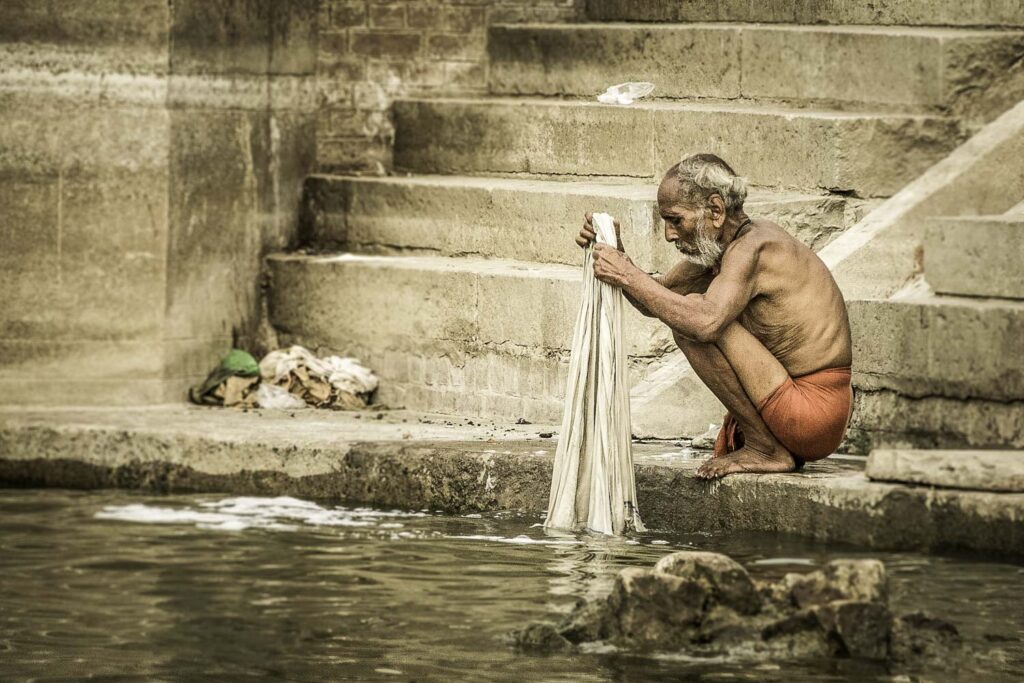
A Ganges River cruise often begins in Varanasi. The ghats stretch along the river, each serving a different purpose. Dashashwamedh Ghat draws the largest crowds, especially in the evening during the aarti ceremony. Assi Ghat, further south, feels more local, particularly in the mornings when people gather for yoga and their daily routines.
Exploring the river by boat helps visitors understand how everything connects. Boats move steadily along the ghats, passing Manikarnika Ghat where cremations take place, then continuing north toward quieter stretches. It’s worth taking your time to notice the smaller details, from people washing clothes to carrying offerings or moving between the steps.
For those looking to extend the journey beyond Varanasi, it’s possible to enjoy India cruises that travel along longer sections of the Ganges. These routes often include stops at smaller riverside towns, temples, and colonial-era settlements further east. Having accommodation on board also simplifies logistics, especially when distances between stops can be significant.
Navigate the Iconic Limestone Karsts of Ha Long Bay, Vietnam
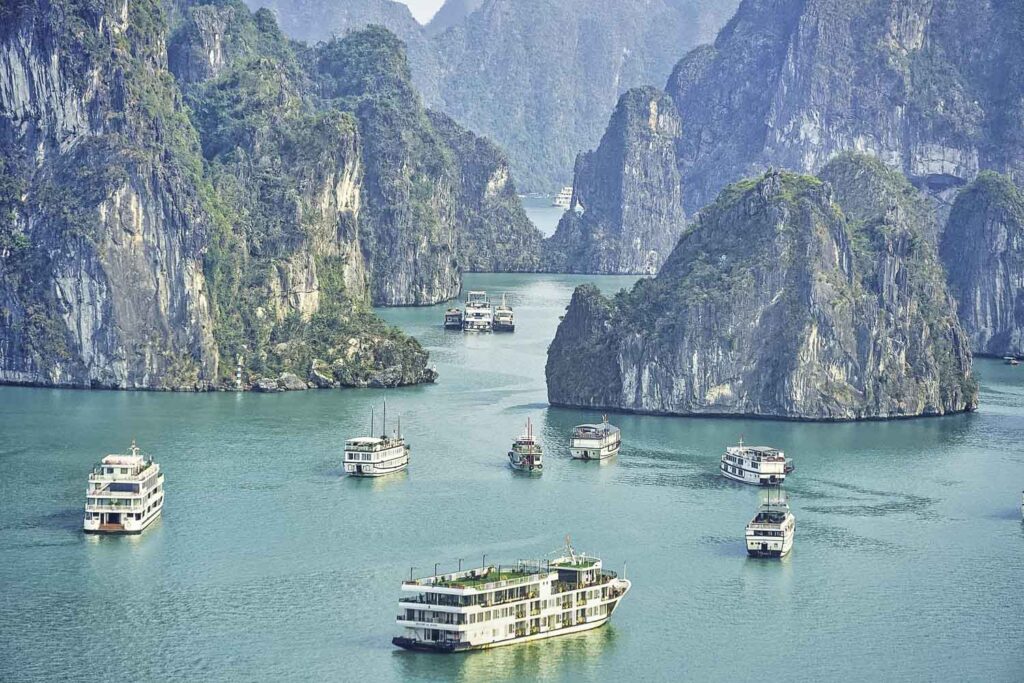
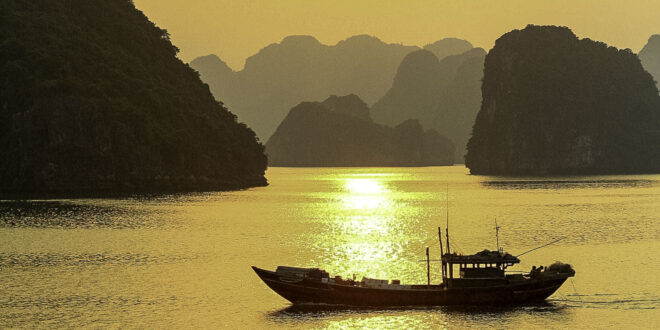
The best way to appreciate Ha Long Bay is to understand how the area is laid out. Most departures begin at Tuan Chau Marina, about a 15-minute drive from Ha Long City. From there, boats head out into the bay, passing clusters of limestone karsts that rise sharply from the water.
The main routes cover areas like Sung Sot Cave and Ti Top Island, which can get busy during peak hours. Bai Tu Long Bay, slightly to the northeast, offers a similar landscape with fewer boats and a quieter feel. Moving between these areas usually happens overnight, as most itineraries are built around one or two nights on board.
Kayaking is one of the better ways to explore the smaller lagoons and caves. Places like Luon Cave are only accessible by small boats or kayaks, and you’ll pass under low rock formations into enclosed areas surrounded by cliffs. On land, Cat Ba Island offers a different feel, with trails through Cat Ba National Park and access to local villages.
Experience the Pristine Glacial Landscapes of the South Island, New Zealand
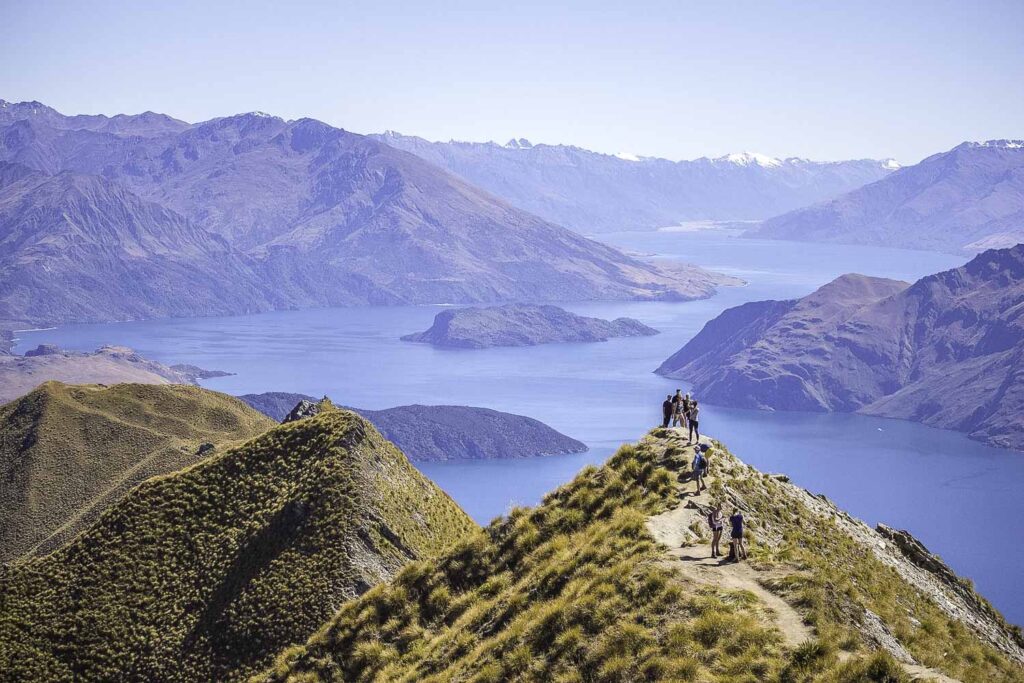
The South Island covers a lot of ground, so most routes follow a loose loop starting from Christchurch or Queenstown. From Christchurch, State Highway 73 crosses Arthur’s Pass, where alpine scenery starts to take over. It’s a good way to reach the West Coast, especially if you’re heading towards Franz Josef and Fox Glaciers.
Franz Josef Township is small, centred around the main road, with access points leading out towards the glacier valley. Walks like the Franz Josef Glacier Track take you through riverbeds and forested sections, ending at a viewing area facing the glacier itself. Helicopter access is common here, as much of the ice is no longer reachable on foot.
Further south, Queenstown serves as a base for exploring nearby areas, such as Glenorchy, which sits at the northern end of Lake Wakatipu. The drive along the Glenorchy–Queenstown Road is one of the best ways to see the landscape shift from lakeside to alpine terrain. From there, routes continue toward Fiordland, where Milford Sound is reached via State Highway 94, passing through Te Anau along the way.
Which legendary journey calls to you?
These journeys don’t follow the same pattern. The Serengeti depends on wildlife movement, Machu Picchu on how you move through the valley, and the Ganges on the rhythm of the river itself. Ha Long Bay is shaped by its geography, while New Zealand’s South Island unfolds through its road network.
Choosing between them depends on how you prefer to travel. Some rely on guided routes, while others give you more freedom to move between stops. Either way, they require some awareness of how each place works. That’s where the experience moves beyond simply visiting to actually understanding where you are.



Came across this while researching something related and ended up reading the whole thing. Well structured and thoughtful.
The mention of starting game drives before sunrise in the Serengeti really resonates—those early morning hours around the kopjes, with the light just hitting the granite, are when the bush feels most alive. A dawn encounter with lions stirring from their rest is something that stays with you long after you’ve left the plains.