AdventuresNW




For many outdoor enthusiasts, the idea of adventure is closely tied to disconnection. The Pacific Northwest, with its dense forests, alpine lakes, rugged coastlines, and volcanic peaks, offers countless opportunities to unplug from daily noise. Whether hiking in the Cascades, kayaking along the San Juan Islands, or road-tripping through Oregon’s high desert, getting away often means stepping outside of routine — and outside of signal range.
But while the romantic vision of going fully off-grid remains appealing, the reality of modern adventure tells a more nuanced story. Today’s explorers may seek solitude and immersion in nature, yet they also rely on digital tools for safety, navigation, and logistics. In this context, connectivity is not about constant scrolling — it’s about preparedness.
The Myth of Total Disconnection
 There is something deeply restorative about turning off notifications and leaving behind crowded inboxes. Outdoor travel offers a reset, a way to reconnect with landscapes rather than screens. Yet even the most committed adventurers carry smartphones, GPS devices, and digital maps.
The reason is simple: wilderness environments demand awareness. Weather shifts quickly in the mountains. Trail conditions change. Wildfires, seasonal closures, or unexpected detours can alter plans in minutes.
Being “off the grid” often means stepping away from social media — not abandoning access to critical information.
Connectivity as a Safety Tool
Modern connectivity plays a vital role in outdoor safety. Many hikers and backcountry travelers rely on:
- GPS-based trail maps
- Real-time weather forecasts
- Emergency alert systems
- Road and ferry updates
- Digital park passes and permits
In remote regions of Washington, Oregon, and beyond, signal coverage may fluctuate. However, having access where it is available can make a meaningful difference.
For example, checking updated weather conditions before crossing a high pass can prevent exposure to sudden storms. Accessing wildfire alerts during summer months may influence route choices. Even confirming campground reservations or ferry schedules often depends on mobile data.
Connectivity becomes part of responsible planning — a backup layer that supports, rather than replaces, wilderness skills.
Road Trips Beyond the Pacific Northwest
Many Northwest adventurers take their exploration further afield. International trekking routes in Iceland, Patagonia, Japan, or New Zealand have become increasingly popular among American outdoor travelers.
While these destinations offer breathtaking landscapes, they also introduce unfamiliar infrastructure and communication systems. Language barriers, transportation logistics, and regional emergency alerts add complexity to planning.
Relying on airport kiosks for local SIM cards or unpredictable public Wi-Fi can create unnecessary friction. For travelers who prioritize smooth logistics before heading into remote areas, setting up connectivity ahead of time simplifies arrival and transition.
In this context, options like Holafly’s esim for travelers offer a practical way to maintain access to maps, transportation updates, and emergency communication without depending entirely on local networks.
The goal is not constant usage — it’s reliable availability when needed.
Using Technology Mindfully in Nature
 Critics of digital connectivity often argue that screens distract from immersion. And when used excessively, they can. But technology itself is neutral; its value depends on intention.
Outdoor travelers can practice mindful connectivity by:
- Downloading offline maps before entering remote zones
- Using devices primarily for navigation and safety
- Turning off non-essential notifications
- Checking updates at designated times rather than constantly
This balanced approach allows adventurers to benefit from modern tools without compromising the restorative experience of being in nature.
The Pacific Northwest ethos has long emphasized preparedness — packing the right layers, carrying emergency supplies, and respecting the terrain. Digital preparedness is simply an extension of that tradition.
The Evolution of Travel Infrastructure
The broader travel landscape is shifting toward digital integration. National parks increasingly use QR codes for information. Trailhead permits and campground reservations are processed online. International travel documents, boarding passes, and transit tickets are often entirely digital.
As infrastructure evolves, the ability to access data becomes part of travel literacy.
For outdoor enthusiasts who cross borders or combine urban exploration with wilderness excursions, seamless connectivity reduces transition stress. It ensures that the journey between trailhead and airport, ferry terminal and mountain hut, unfolds smoothly.
Adventure With Awareness
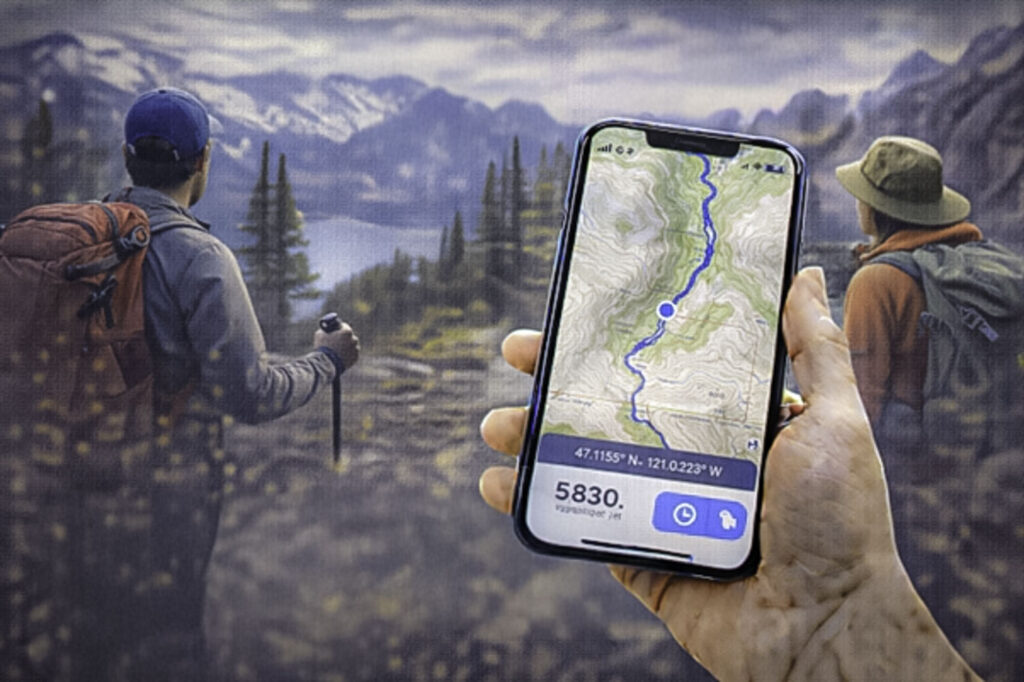 The spirit of adventure has always involved risk, but it has also involved preparation. Early explorers relied on maps and compasses; today’s adventurers carry satellite navigation and mobile data. Both serve the same purpose: informed decision-making.
Connectivity does not diminish the magic of alpine sunrises or coastal sunsets. It simply ensures that travelers can respond effectively to changing conditions.
In a world where weather patterns grow less predictable and travel logistics more complex, smart connectivity supports resilience. It allows outdoor enthusiasts to focus on what truly matters — the experience of moving through wild landscapes with confidence and respect.
Going off-grid may still mean leaving behind noise and distraction. But in modern adventure, staying prepared — even digitally — is part of the journey.