AdventuresNW



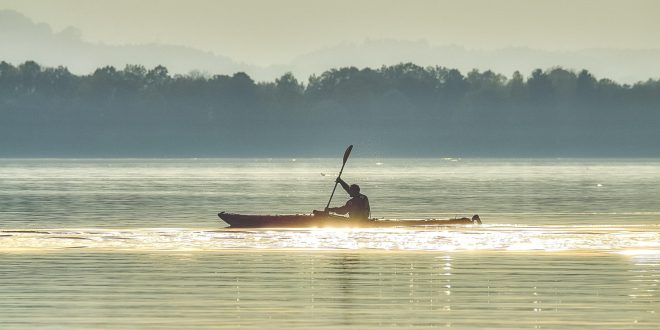
Autumn is the quiet season on Northwest lakes. The summer crowds are gone, the rental shacks start closing, and the water is often glassy in the morning before the afternoon breeze picks up. If you are traveling with a camper, a van or just a packed car, it is also the season when bringing your own boat pays off, because the boat you want to rent may no longer be there.
Here are four lakes in Washington and Oregon that suit a relaxed day on the water, what to know before you launch, and how to fit a kayak into a road trip without a roof rack.
Diablo Lake, North Cascades, Washington
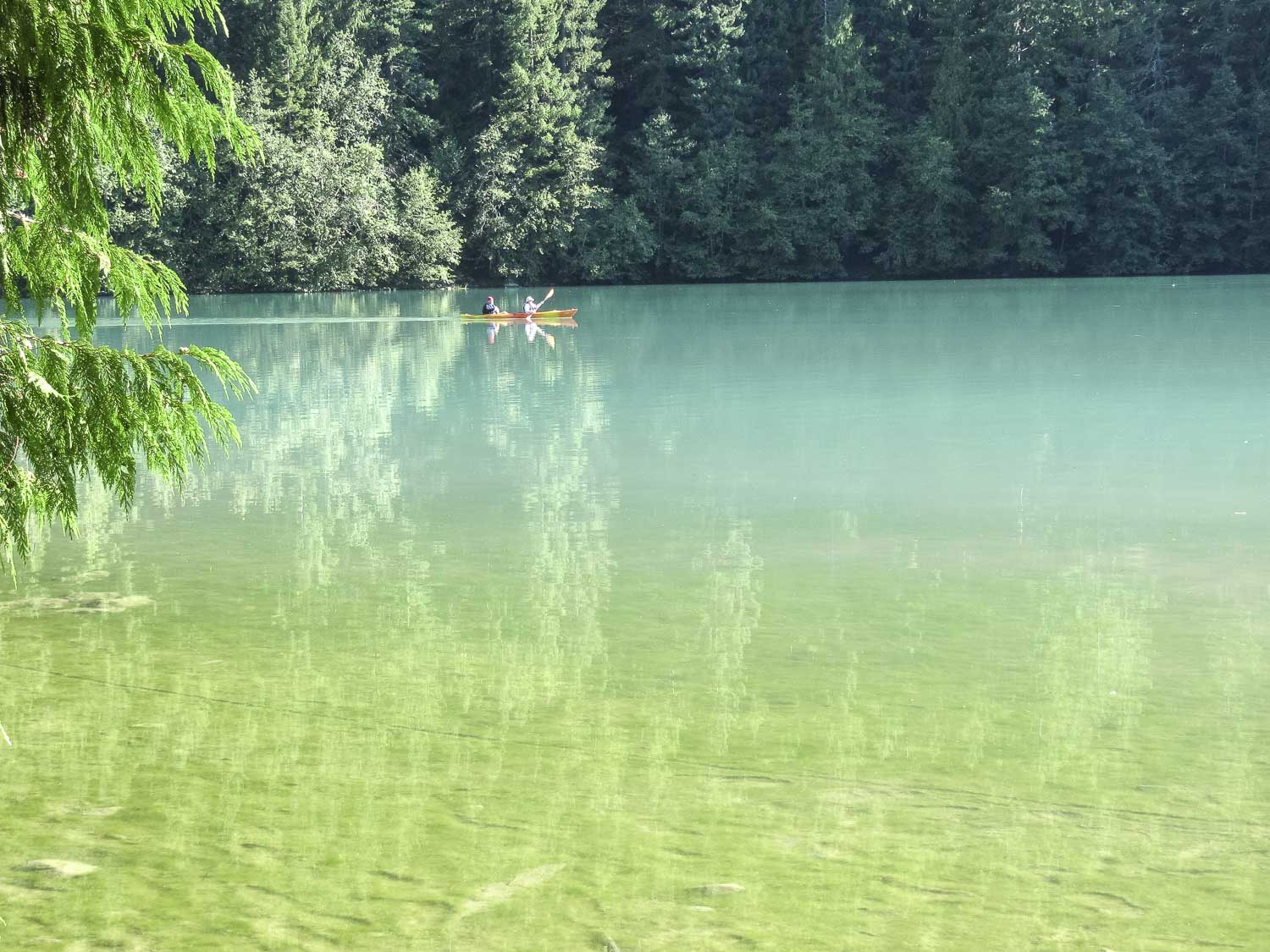
Diablo Lake is the one you have probably seen in photos: an impossible turquoise color, caused by fine glacial rock flour suspended in the water, framed by steep, forested peaks. Paddlers launch from Colonial Creek Campground on State Route 20, and you can paddle up to about five miles toward the far end of the lake. The National Park Service also manages a few boat-in campsites along the shore, so a longer trip with a night on the water is possible if you check the park’s boat-in camping rules first.
Two things to plan for. The water is cold all year, even when the air is warm, so dress for a swim rather than for the weather. And while the North Cascades Highway closes over the passes in winter, Diablo Lake stays reachable from the west side, which makes it one of the few big-scenery paddles you can still do late in the season.
Trillium Lake, Mount Hood, Oregon
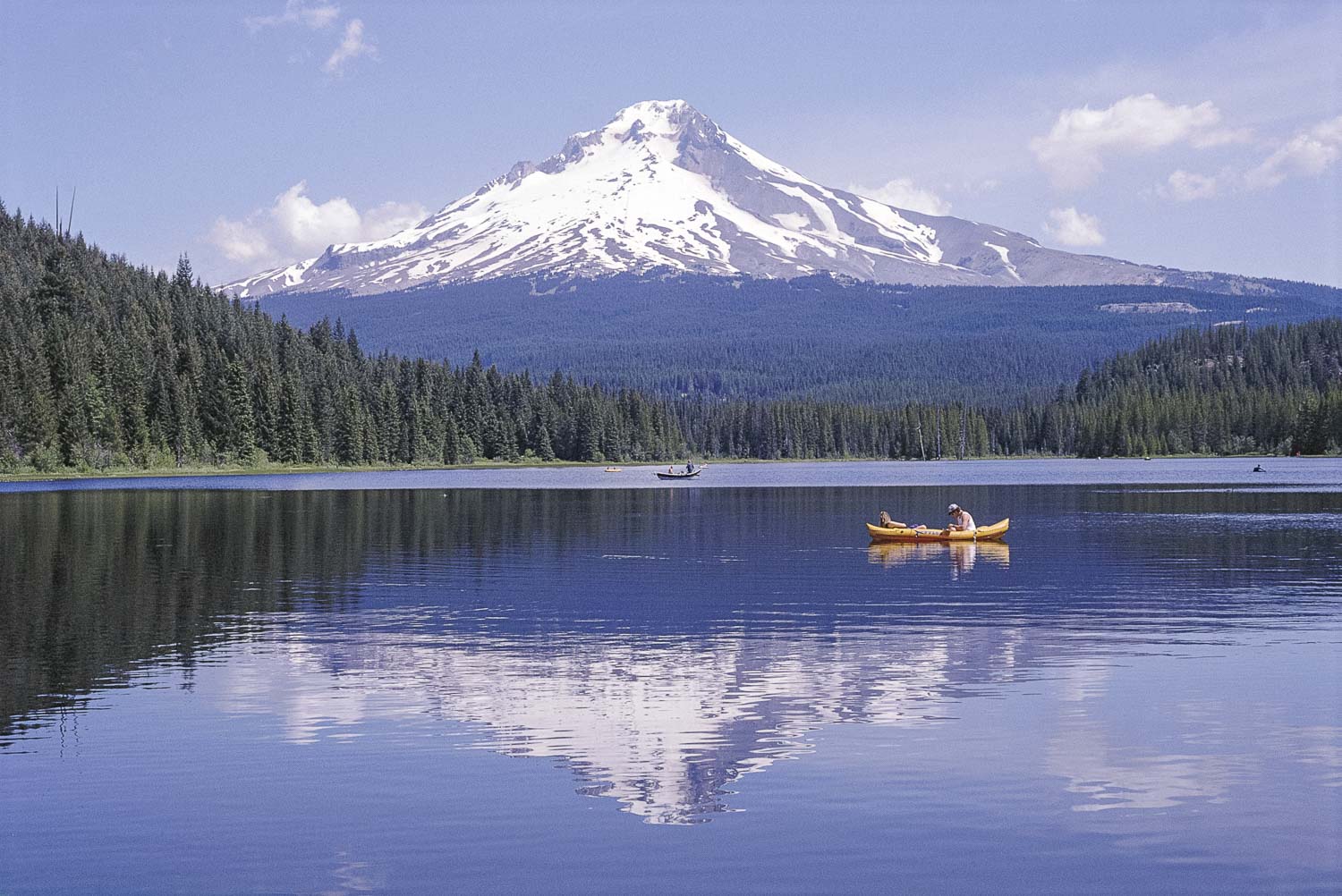
Trillium Lake is small, about 63 acres, and open to non-motorized boats only, which makes it an easy first outing for families or anyone new to paddling. On a calm morning, Mount Hood reflects in the water almost perfectly. There is a larger ramp in the day-use area and a smaller one in the campground, and a two-mile loop trail around the lake gives you something to do once the boat is dry.
The lake is reached by Forest Road 2656 off U.S. 26, about a mile east of Government Camp. Day use costs $10 unless you have a Northwest Forest Pass. This year the on-site rentals closed at the end of September, so from October you will want your own boat.
Waldo Lake, Willamette National Forest, Oregon
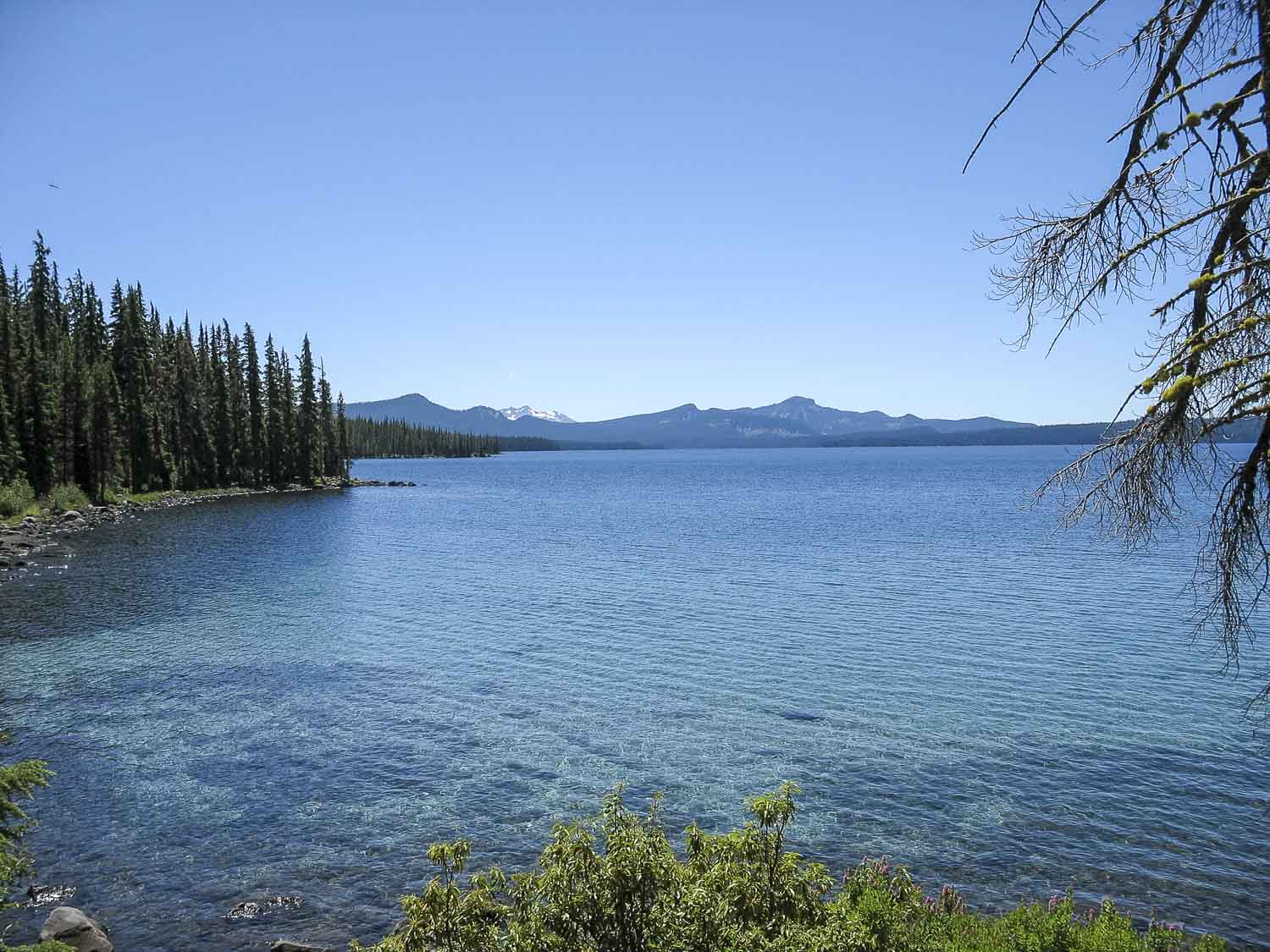
Waldo Lake is among the clearest lakes in Oregon, and it is protected like it: gasoline motors have been banned since 2010, and only electric motors below 10 miles per hour are allowed. That leaves a large, quiet lake with long shorelines and plenty of room to explore.
Its size is also the one thing to respect. On a big lake, wind can build a chop quickly, so stay close to shore, start early and turn around sooner than you think you need to. Waldo sits high in the Cascades, and early snow can close access roads in fall, so check conditions before you drive up.
Sparks Lake, Cascade Lakes Scenic Byway, Oregon
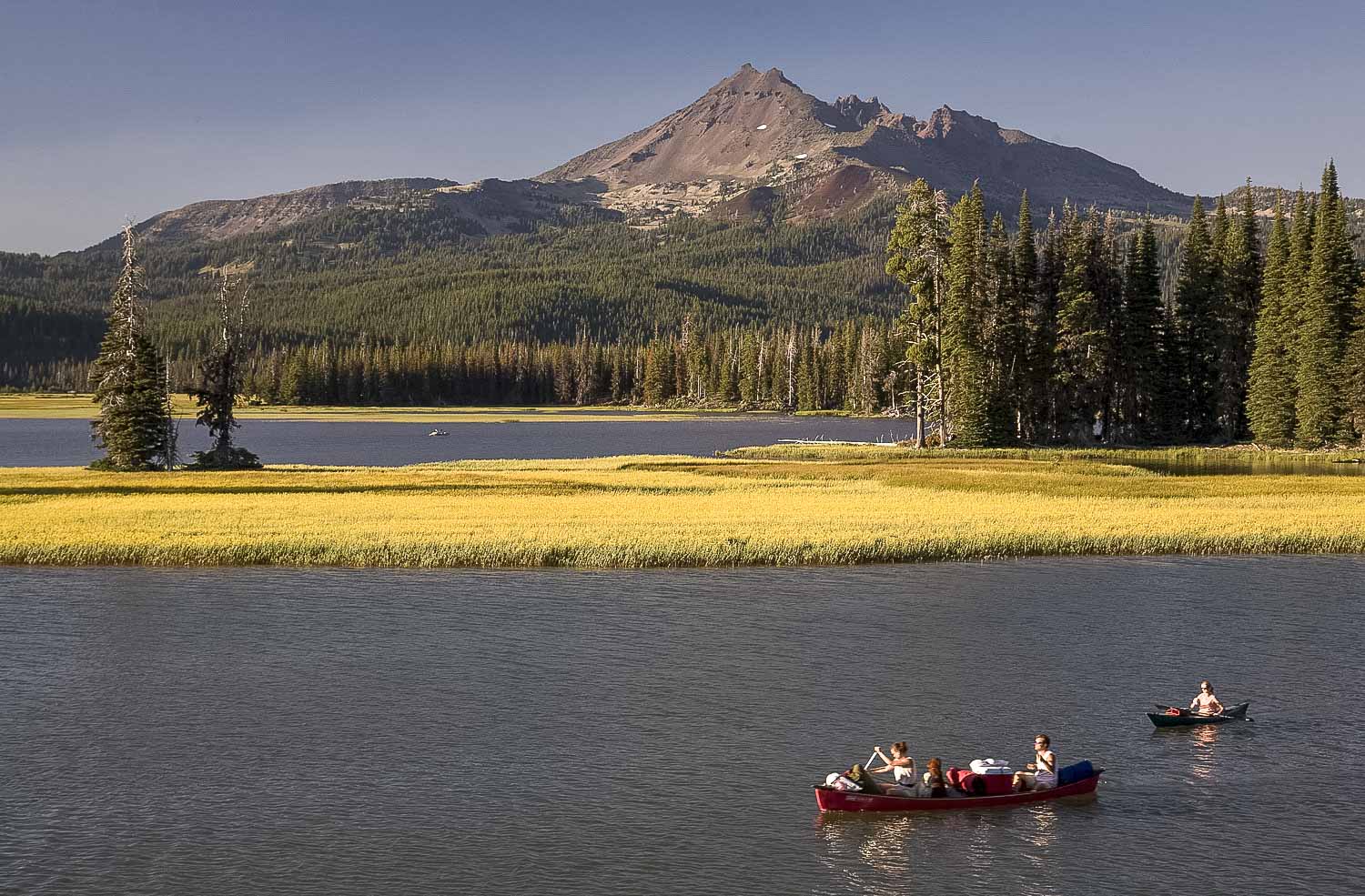
Sparks Lake sits along the Cascade Lakes Scenic Byway west of Bend, with lava rock shorelines, shallow channels, and views of South Sister and Mount Bachelor. It rewards slow paddling, with coves and lava-rock channels that are best explored at an easy pace.
Timing matters here. The Cascade Lakes Highway typically closes for the season from mid-November until mid-May, and the gravel access road to the lake can be rough early in the season. In fall, that leaves a window of a few weeks with cool mornings, fewer people, and good light.
Permits and rules to know before you launch
- Oregon: since January 1, 2026, every non-motorized boat, including kayaks, canoes, paddleboards and their inflatable versions, needs a Waterway Access Permit, regardless of length. It costs $6 for seven days, $20 for the calendar year, or $35 for two years through the Oregon State Marine Board’s online store, plus a small portal fee. Paddlers aged 13 and under are exempt; the permit is transferable between paddlecraft, and it applies to out-of-state visitors too.
- Carry the permit or have it on your phone. Failing to show it when asked is a Class D violation with a $115 fine.
- Clean, drain, and dry your boat between waters. Both states work hard to keep aquatic invasive species out of their lakes, and inspection stations may ask to check your boat.
- Wear a life jacket. Northwest lakes are fed by snow and glaciers, and cold water is the real risk, not the paddling itself.
Bringing a kayak on a road trip without a roof rack
The classic problem with road-trip paddling is the boat itself. A hardshell kayak needs a roof rack or a trailer; it has to be secured every time you move camp, and in a motorhome or van there is rarely a good place to keep it.
Inflatable kayaks solve the storage problem, and modern ones have closed most of the gap in performance. Many now use drop-stitch construction, where thousands of threads hold the top and bottom layers of a chamber at a fixed distance, so the floor inflates into a flat, stiff panel rather than a soft tube. The result tracks straighter and feels far more solid than the pool toys many people still associate with the word “inflatable.”
If you are shopping for one, look at how much of the boat is actually built in drop-stitch, the recommended pressure, and the packed size. Brands like Razor Kayaks build drop-stitch inflatables that pack into a backpack-style bag and list setup times of around five minutes, which is the kind of footprint that fits a camper’s storage locker or the back of a car.
One practical tip for fall: air pressure drops as the boat cools. If you inflate in a warm car and then put the kayak on a cold mountain lake, check the pressure again after a few minutes on the water and top it up if the floor feels softer.
Plan for short days
Fall paddling in the Northwest is about windows: calm mornings, dry afternoons between rain systems, and roads that stay open until the first real snow. Keep plans flexible, leave the long crossings for another year, and let the season set the pace. With a boat that lives in your vehicle, a quiet hour on the water is only ever one pullout away.