AdventuresNW



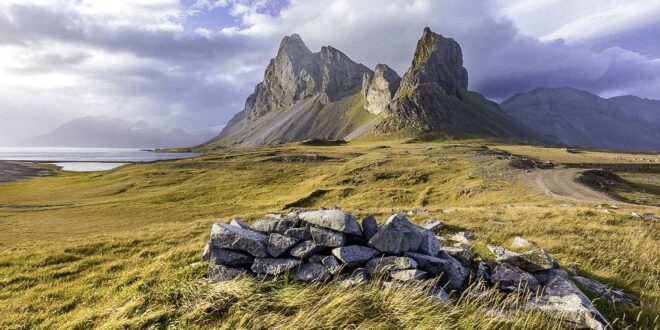
There are certain regions where the landscape itself is the undisputed attraction, offering views that shape the entire travel experience. These are places defined by scale, from the height of the peaks to the depth of the waters.
The following guide examines five of the world’s most visually striking spots, detailing the natural features that set them apart. From the accessible peaks of Switzerland to the remote glacial fields of Patagonia and the dramatic coastlines of Norway, these are the landscapes that define scenic travel.
Switzerland: Majestic Mountains and Picture-Perfect Villages
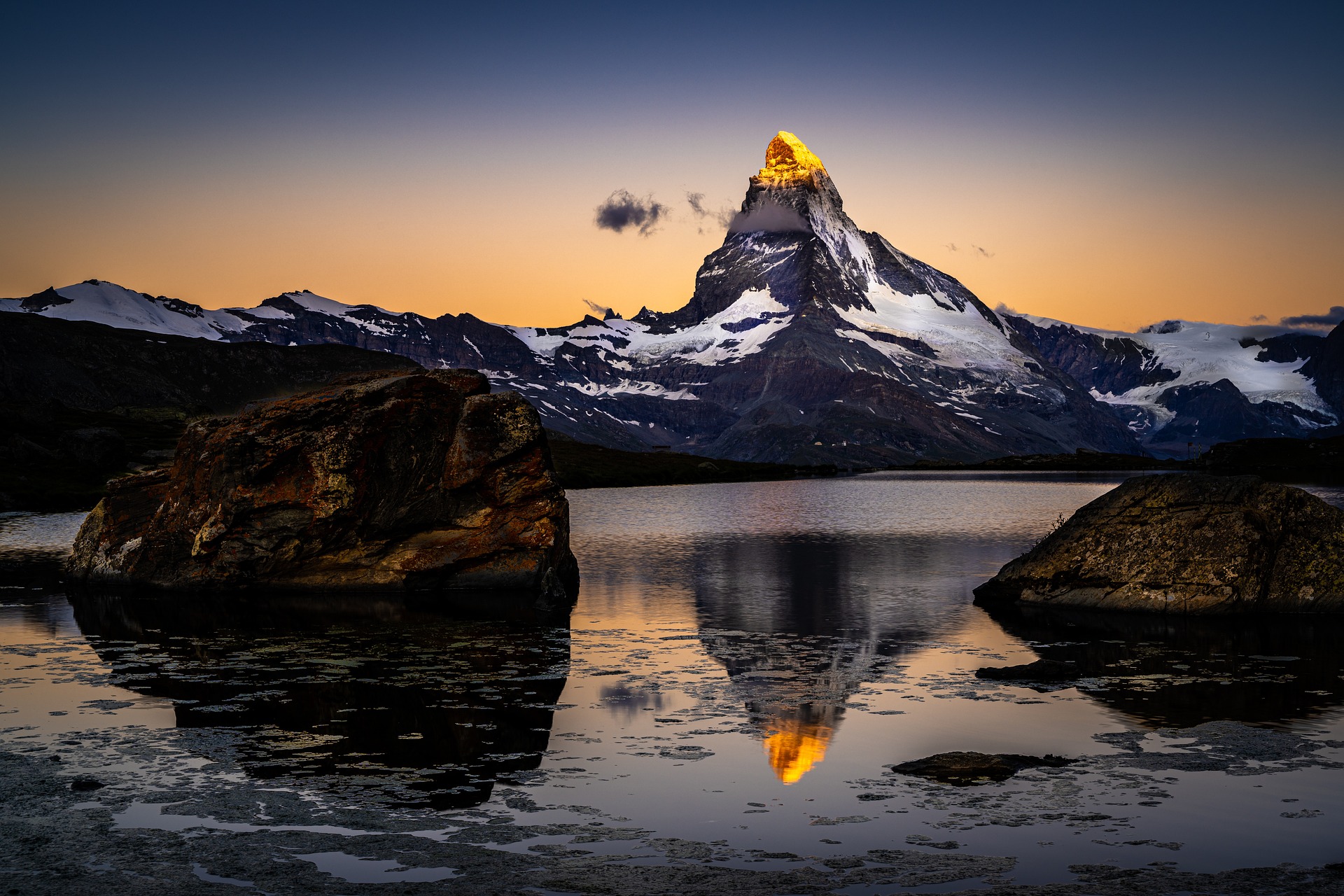
Switzerland is defined by high-altitude landscapes where lush valleys meet jagged, snow-covered peaks. Villages like Wengen, Mürren, and Zermatt are situated high above the valley floor, offering immediate, unobstructed views of the Alps. These locations are notable for their lack of car traffic, which keeps the focus entirely on the surrounding nature. Many Switzerland vacation packages are built around these areas, often combining rail passes, cable cars, and accommodation close to the centre of the village.
Walking routes in regions such as the Jungfrau are clearly marked, with signposts showing distance and elevation rather than vague descriptions. It makes choosing a route straightforward, whether it’s a lakeside walk or a higher viewpoint. Cable cars do much of the climbing, so visitors can reach places like First or Schilthorn without committing to long uphill walks. The route from First to Bachalpsee is a good example. It’s short, well-maintained, and busy for a reason.
Away from the mountains, lakes such as Lucerne and Brienz offer boat services that are practical as well as scenic. They’re used by locals and visitors alike, so they feel like part of normal life rather than an organised excursion. Evenings tend to be quiet. Shops close early, restaurants focus on simple menus, and villages settle down quickly.
Norwegian Fjords: Dramatic Cliffs and Mirror-Like Waters
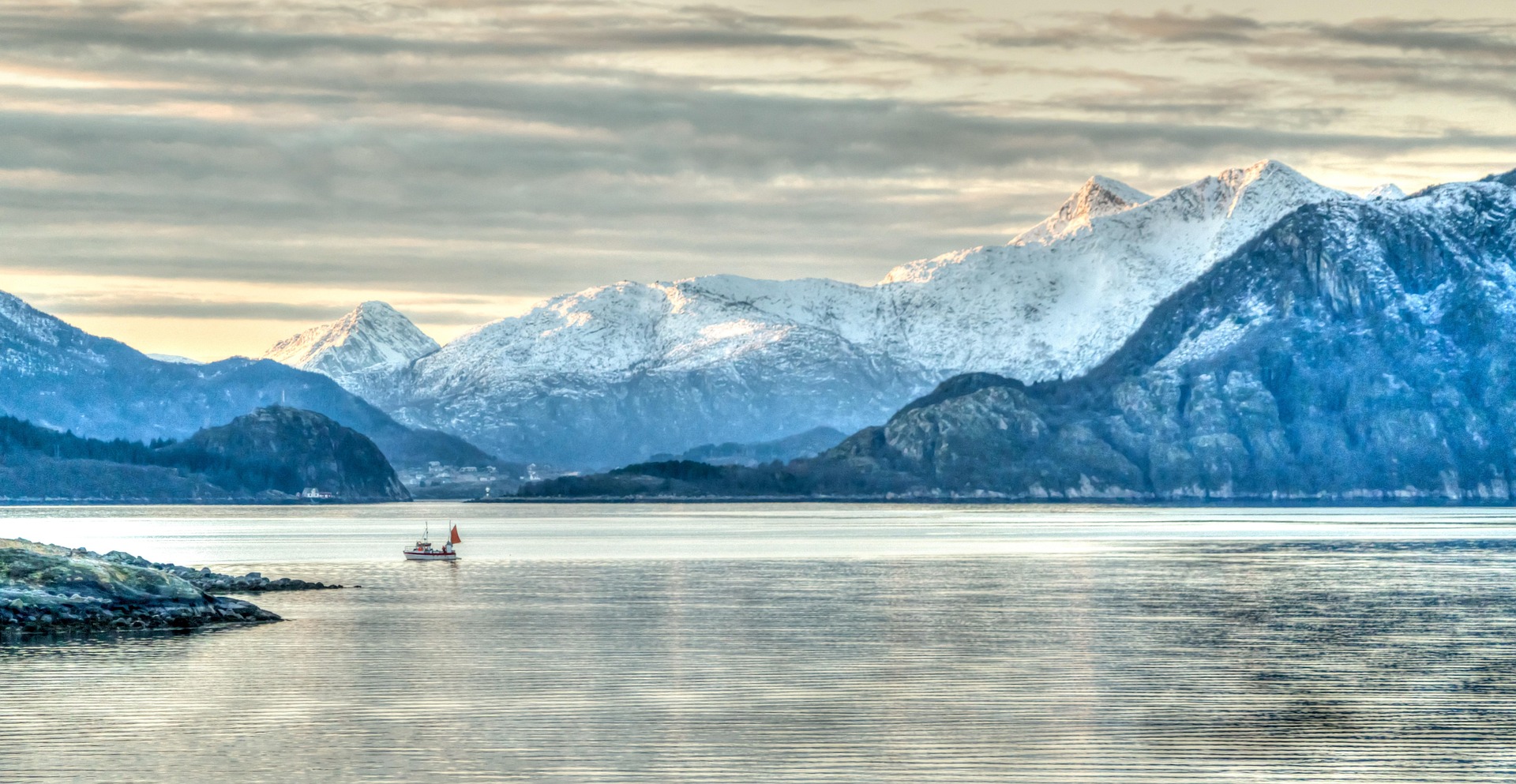
The scenery in Norway consists of vertical cliffs rising straight from deep, narrow inlets of seawater. The fjords, such as Geirangerfjord and Nærøyfjord, are ancient river valleys carved by glaciers. The result is a landscape of waterfalls cascading from thousands of feet up and small, isolated farms clinging to the rock face, emphasising the immense scale of the geography.
Towns like Flåm and Ålesund are compact and practical rather than showy. Flåm is best known for the railway, which climbs steeply through valleys and tunnels, stopping at viewpoints along the way. It’s one of the easiest ways to see the landscape without needing to hike. Around the fjords, cycling routes tend to follow flatter ground, often close to the water, making short rides manageable even without much preparation.
Driving through the region is slow but rarely frustrating. Roads follow the shape of the land, ferries break up longer distances, and stopping points are chosen for the view rather than fuel or food alone. Days usually work best with one main plan and time on either side for detours or pauses. Trying to pack too much in misses the point.
Patagonia: Remote Trails and Glacial Landscapes
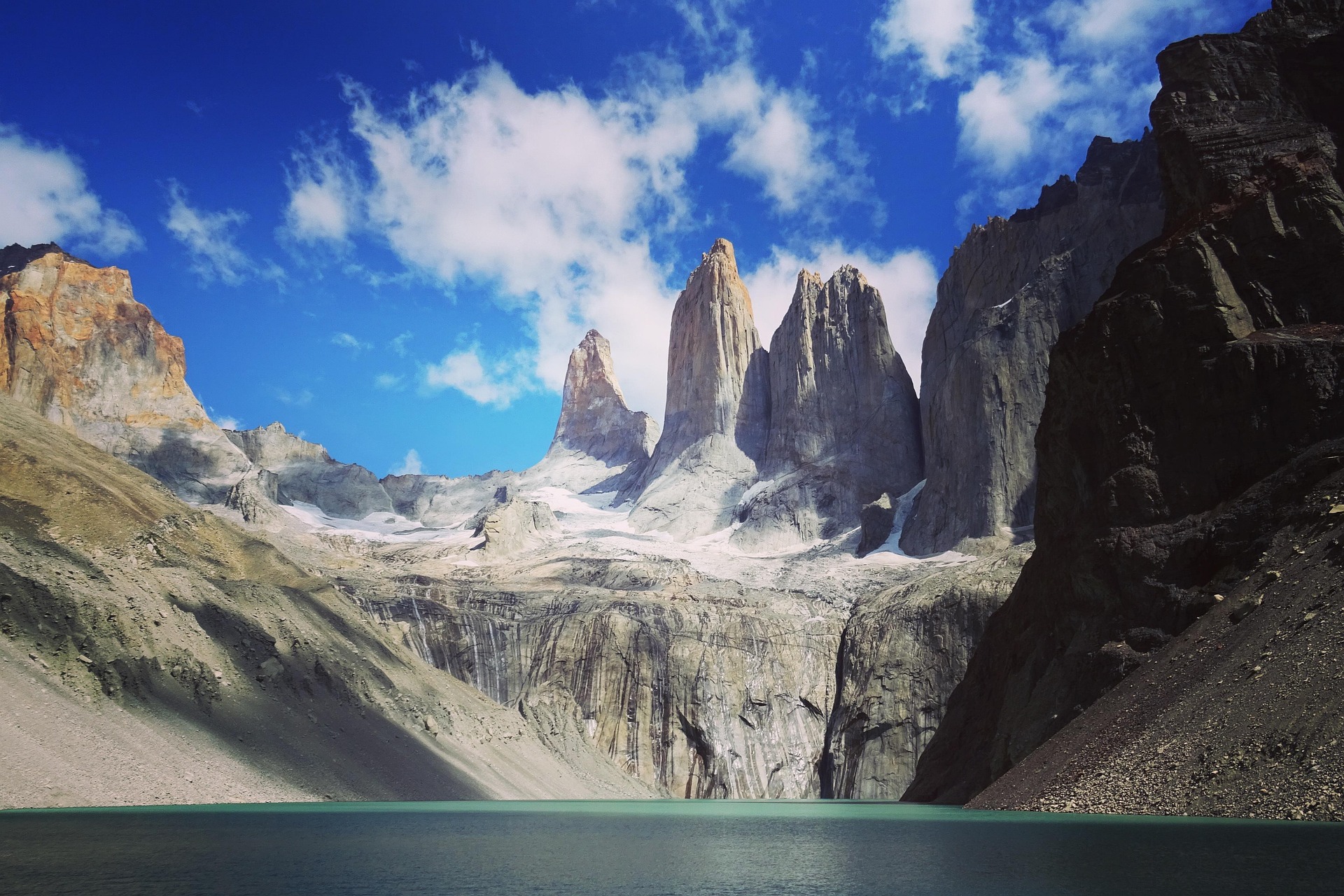
Patagonia is known for its extreme, untamed geography, characterised by jagged horizons and massive open spaces. Areas around El Calafate and Torres del Paine serve as the primary access points to this wilderness. The region is famous for the granite towers of Torres del Paine, which turn a distinct red at sunrise, creating one of the most recognisable skylines in the natural world. Because of the region’s vast scale, many luxury vacations to Patagonia centre around these specific hubs, offering a comfortable vantage point from which to view the dramatic peaks and endless steppe.
Not everything here involves long hikes. Short trails lead to viewpoints over Lago Nordenskjöld, and walks to places like Salto Grande can be done in a few hours. Boat trips to Perito Moreno Glacier are a practical way to see the ice up close, with walkways and viewing platforms that don’t require technical ability. Wildlife often appears without effort, especially guanacos near the roads and condors circling above open ground.
Days tend to follow a steady routine. Mornings outside, relaxation back at the lodge in the afternoon, then calm evenings. El Calafate itself is functional rather than charming, but it has supermarkets, casual restaurants, and space to walk around. This relaxed schedule is essential for appreciating the sheer scale of the region, where a single view can span dozens of miles of uninhabited terrain.
Iceland: Volcanoes, Glaciers, and Stunning Waterfalls
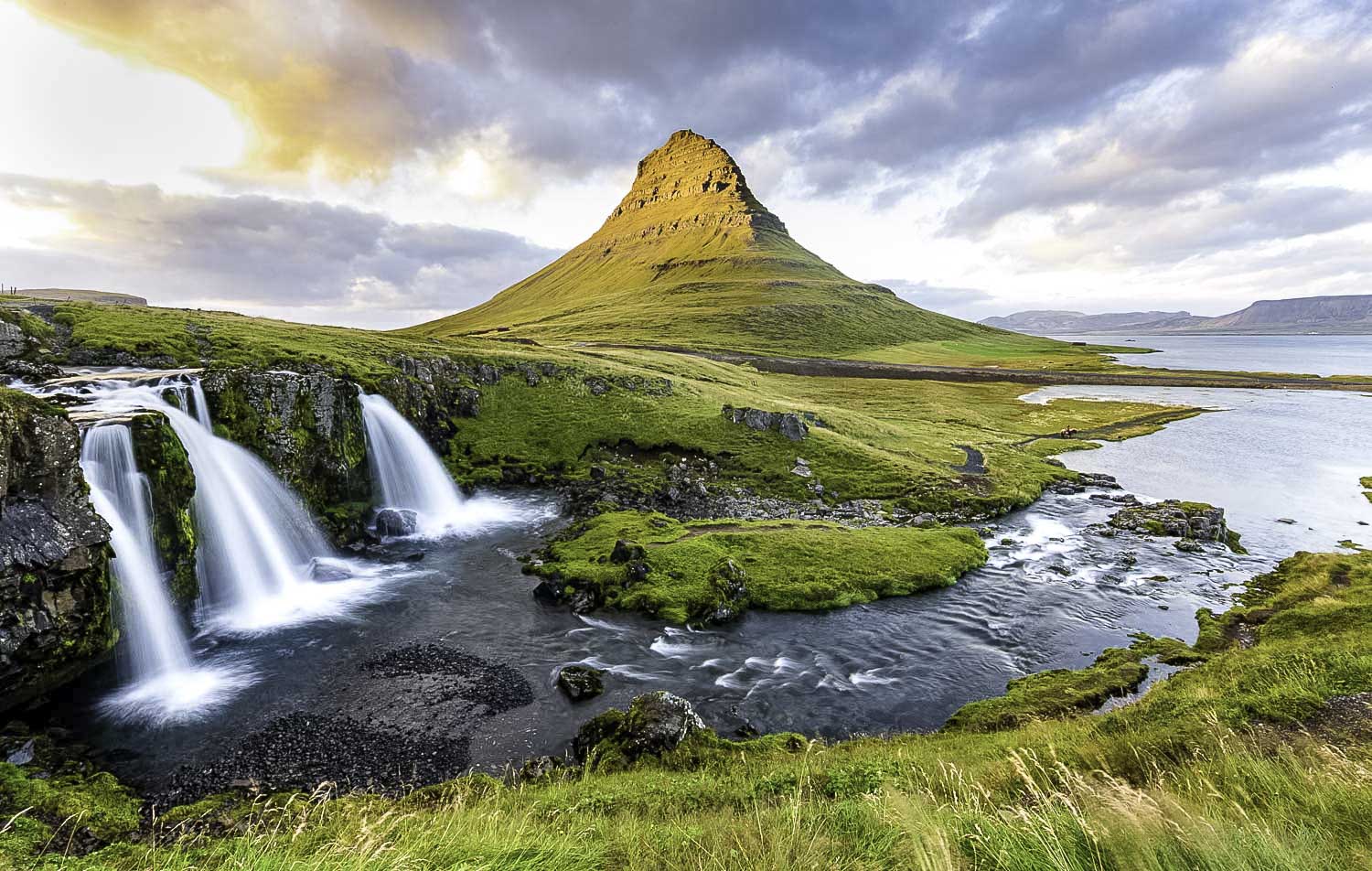
Iceland showcases a mix of volcanic activity and frozen landscapes in a concentrated area. The Golden Circle route captures this geological variety: it includes the tectonic rift valley of Þingvellir National Park, the explosive energy of the Geysir geothermal area, and the massive, two-tiered drop of Gullfoss waterfall. It is a highly active environment where the ground often steams and shifts, offering immediate access to the raw power of the earth.
Along the south coast, waterfalls like Skógafoss and Seljalandsfoss are close to parking areas, though conditions can be slippery. Black sand beaches near Vík look striking but come with clear warnings about waves, which are worth taking seriously. Sticking to marked areas is part of travelling responsibly here.
The experience of staying in rural Iceland is defined by isolation. Many guesthouses and converted farm buildings sit alone in vast lava fields or beneath looming mountains, far from artificial light. This setting turns accommodation into an observatory; rather than just a place to sleep, these remote locations offer a front-row seat to the changing weather, whether that means watching a storm roll across the mossy plains or waiting for the aurora borealis to appear overhead.
Scottish Highlands: Misty Mountains and Rugged Coastline
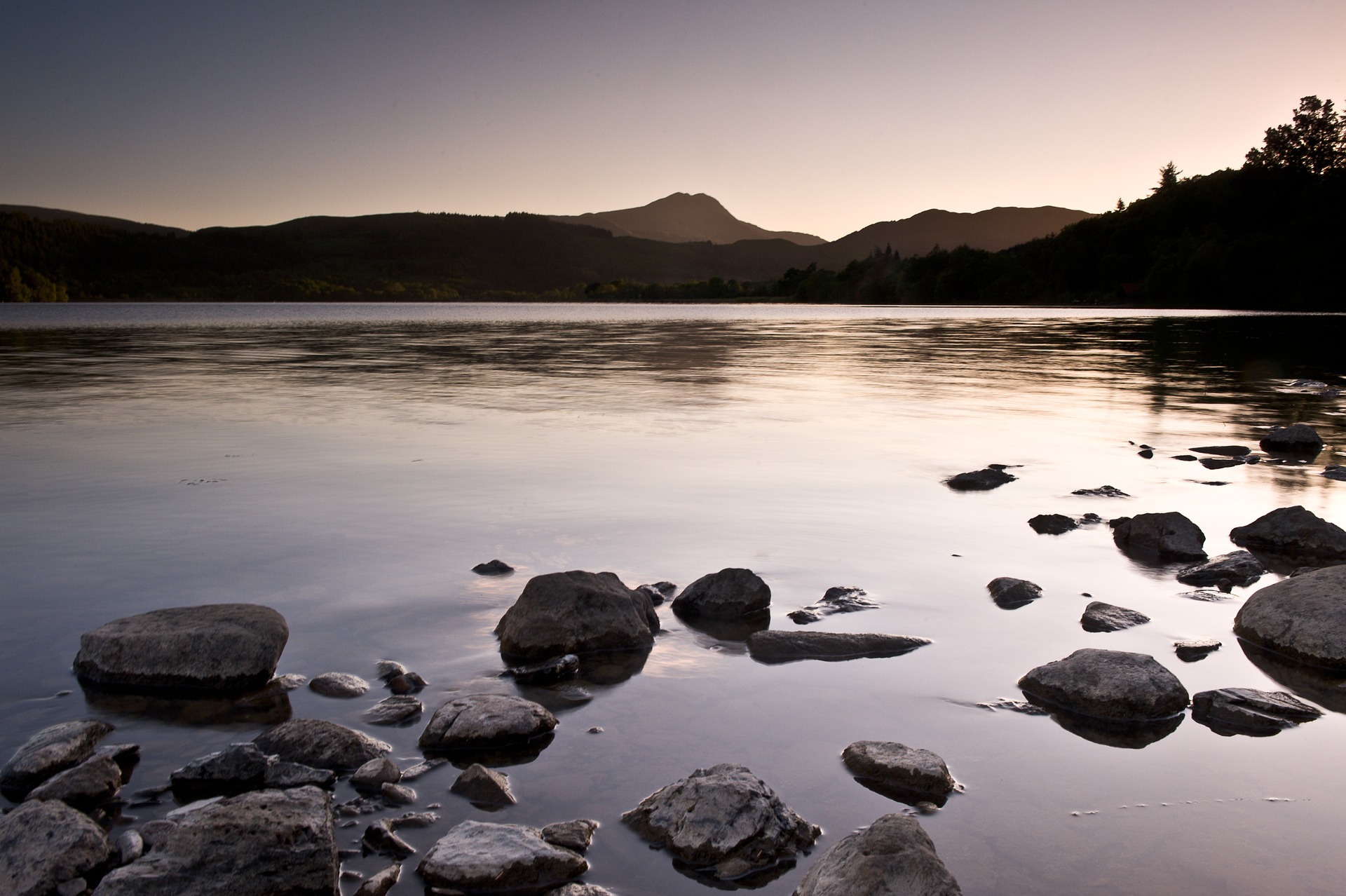
The Scottish Highlands are shaped as much by weather as by landscape. Mountains, lochs, and long stretches of road define the region, but conditions can change quickly. Bases such as Aviemore, Fort William, or areas near Loch Lomond make it easier to plan day trips without covering huge distances.
Walking routes vary widely. Forest paths around Glenmore are sheltered and well marked, while gentle climbs offer wide views over lochs and valleys when visibility allows. Boat trips on lochs like Ness or Lomond add variety to days in between hill walks. Castles such as Urquhart are easy to visit and steeped in history.
The ruggedness of the day is typically balanced by the comfort of the evening. Local pubs act as the social heart of these remote communities, serving as warm refuges against the unpredictable weather. This pub culture is an essential part of the Highland experience, where a hearty meal by an open fire offers a stark, welcoming contrast to the windswept glens outside.
Is This What Effortless Scenic Travel Looks Like?
Destinations such as these prove that the world’s most dramatic landscapes don’t just offer a backdrop; they demand your full attention. From the vertical cliffs of Norway to the silent ice fields of Patagonia, these are places where the scale of the environment forces you to pause and truly appreciate.
Whether it is the reflection of a Swiss peak in a still lake or the mist rolling over a Scottish glen, the true value of these regions lies in their ability to make us stop, watch, and witness the earth at its most magnificent.