AdventuresNW



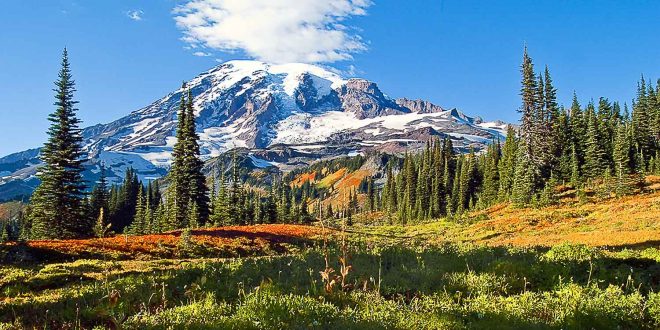
The mountain that we call Mt. Rainier had another name bestowed upon it, long before European settlers made their way to the Pacific Northwest: Tahoma. Tahoma means “frozen water,” or “snow-covered mountain,” or “the source of nourishment.” All of these are far more eloquent—and apropos—descriptions than “Mt. Rainier.”
I can’t help but notice that the middle sound of the word sounds like “Om,” or “home,” two words with spiritual meaning. Tahoma dominates the skyline, towering above the city that has taken its name. Covered by the most extensive system of glaciers in the U.S, outside Alaska, it is the largest single mountain in the lower 48 states. Tahoma is so colossal it creates its own weather. All over the South Puget Sound region, it’s known simply as ‘The Mountain’. Rising 7,000 feet higher than anything within roughly 45 miles, there’s no mistaking its dominance.
The absence of sound—actually, the presence of natural sound—is, to me, one of the best aspects of the wilderness.
A monument of this scale naturally attracts sightseers from around the world, year-round. In the parking lot at the most popular area on the south side of the mountain, aptly named Paradise, you’ll hear many languages. Climbers test their mettle on the icy slopes, and photographers revel in the mountain’s sublime—and diverse—beauty.
On your way up to Paradise from Ashford, you traverse dense rainforest of tangled, mossy, green branches reaching for sunlight. As you ascend, the trees get shorter, thinner, and more scattered. Beyond the end of the road, if you continue on foot toward its summit, you arrive at the edge of a great plateau. You see nothing but white and blue. But if you look behind you, you’ll gaze out over much of the state of Washington—and some of Oregon.
Drama and Power
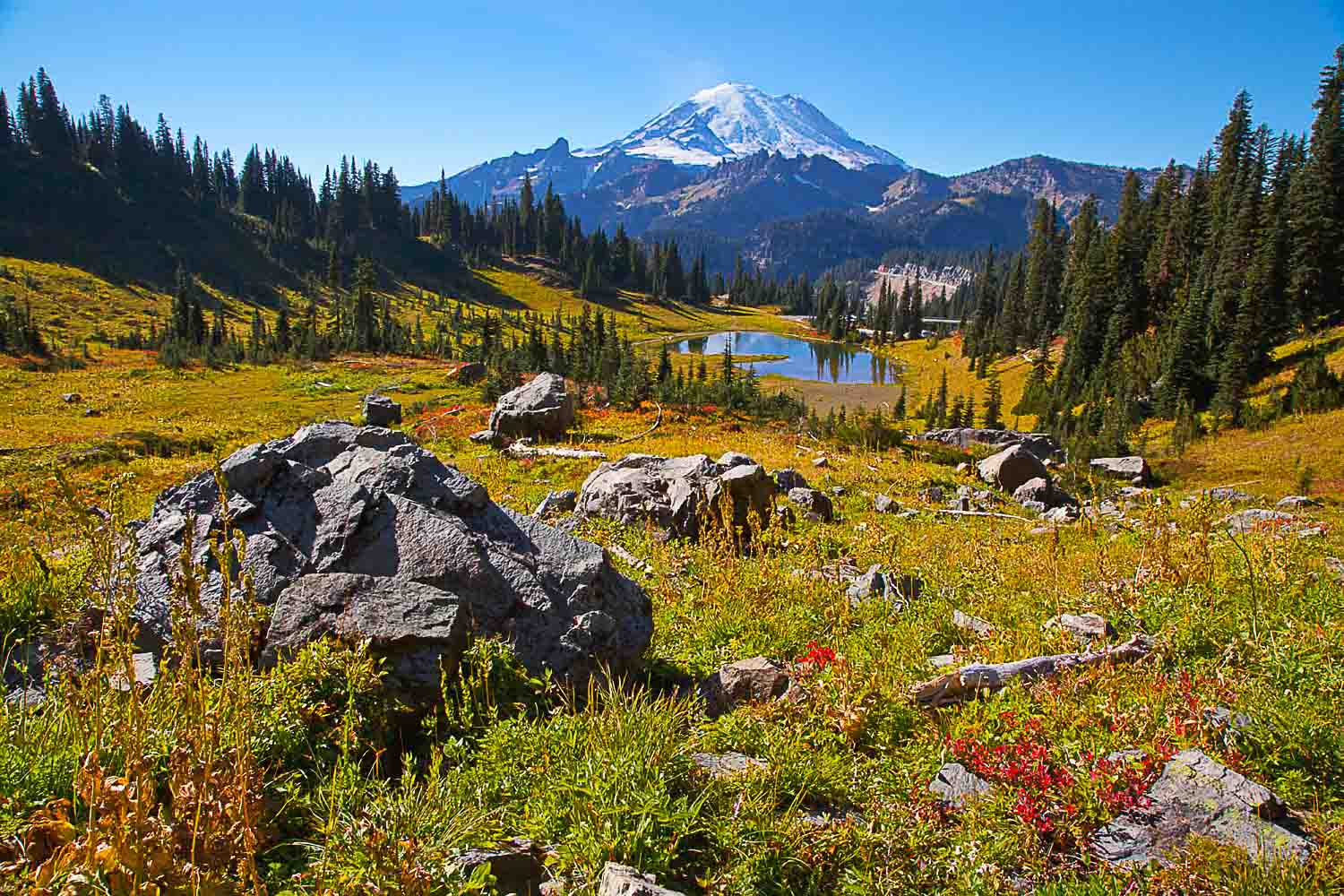
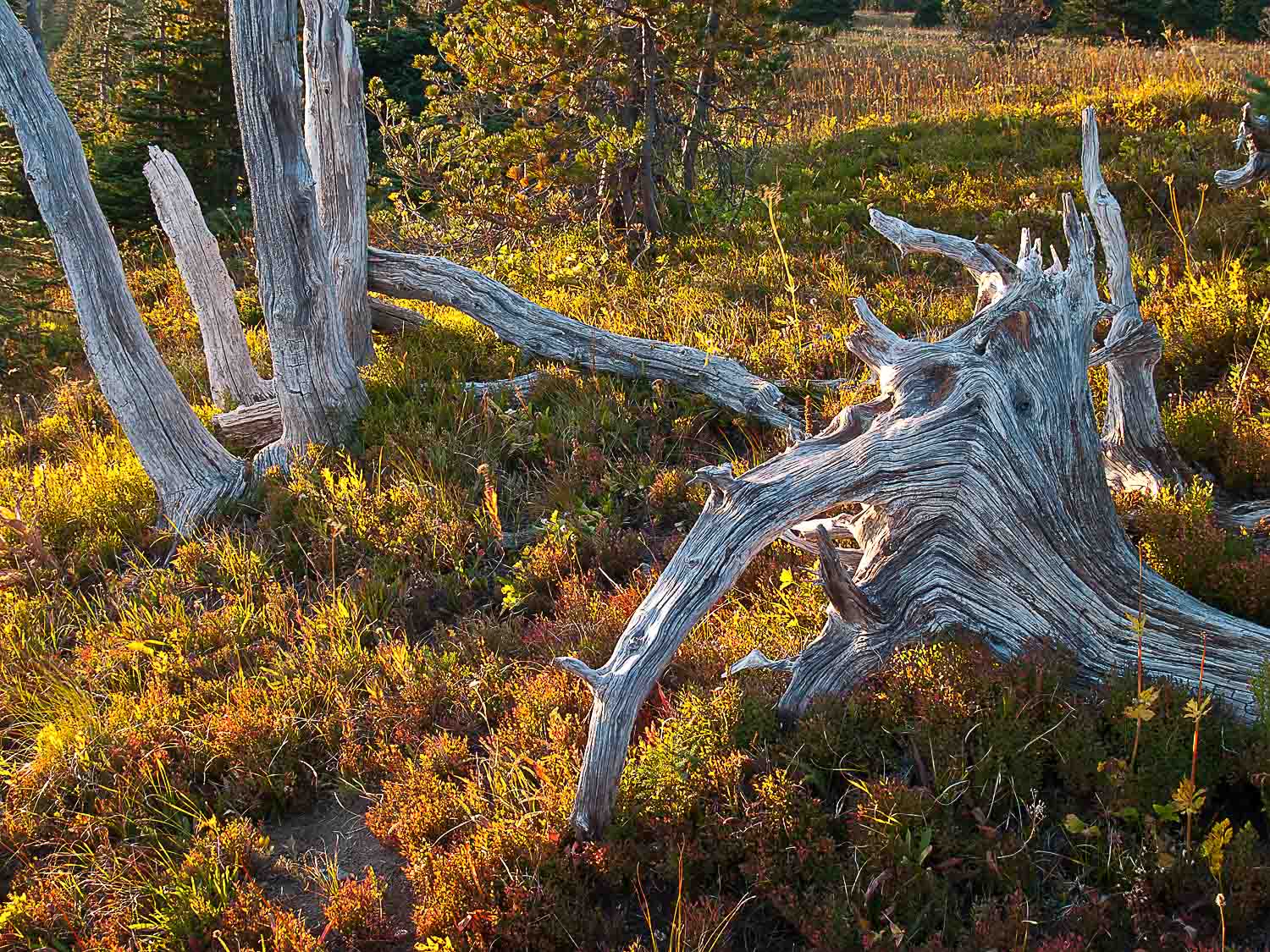
Mount Rainier National Park is much more than just The Mountain. Paradise boasts vast meadows filled with life and color, fields of flowers shimmering in the summer breeze like an impressionist painting. Look around, and you’ll find clumps of stunted alpine trees, called krummholz, much older than their diminutive size might indicate, islands in a high-altitude savanna.
Lower down, mocha-colored rivers surge, the opaque color created by immense quantities of suspended sediment called “rock flour”, tons of it every day. You don’t want to drink real glacier water!
The riverbeds are a feature unto themselves, coursing boisterously across wide plains of barren rock, with log jams haphazardly strewn here and there. Other rivers channel between crumbling vertical walls, evidence of the great volumes of churning water and debris. It’s hard to imagine the chaos of these angry floods chewing great chunks off their banks, including roads and campgrounds. Since the 1970’s, three park roads were partially destroyed by floods. Only one has been fully rebuilt.
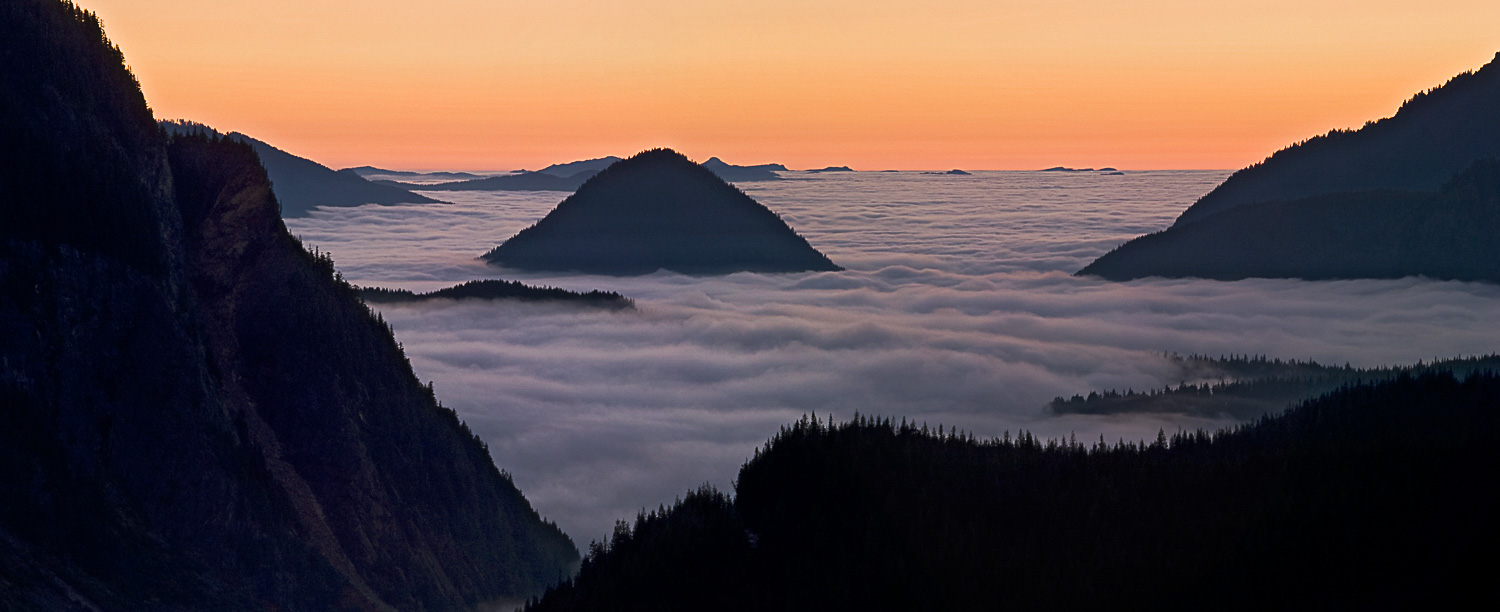
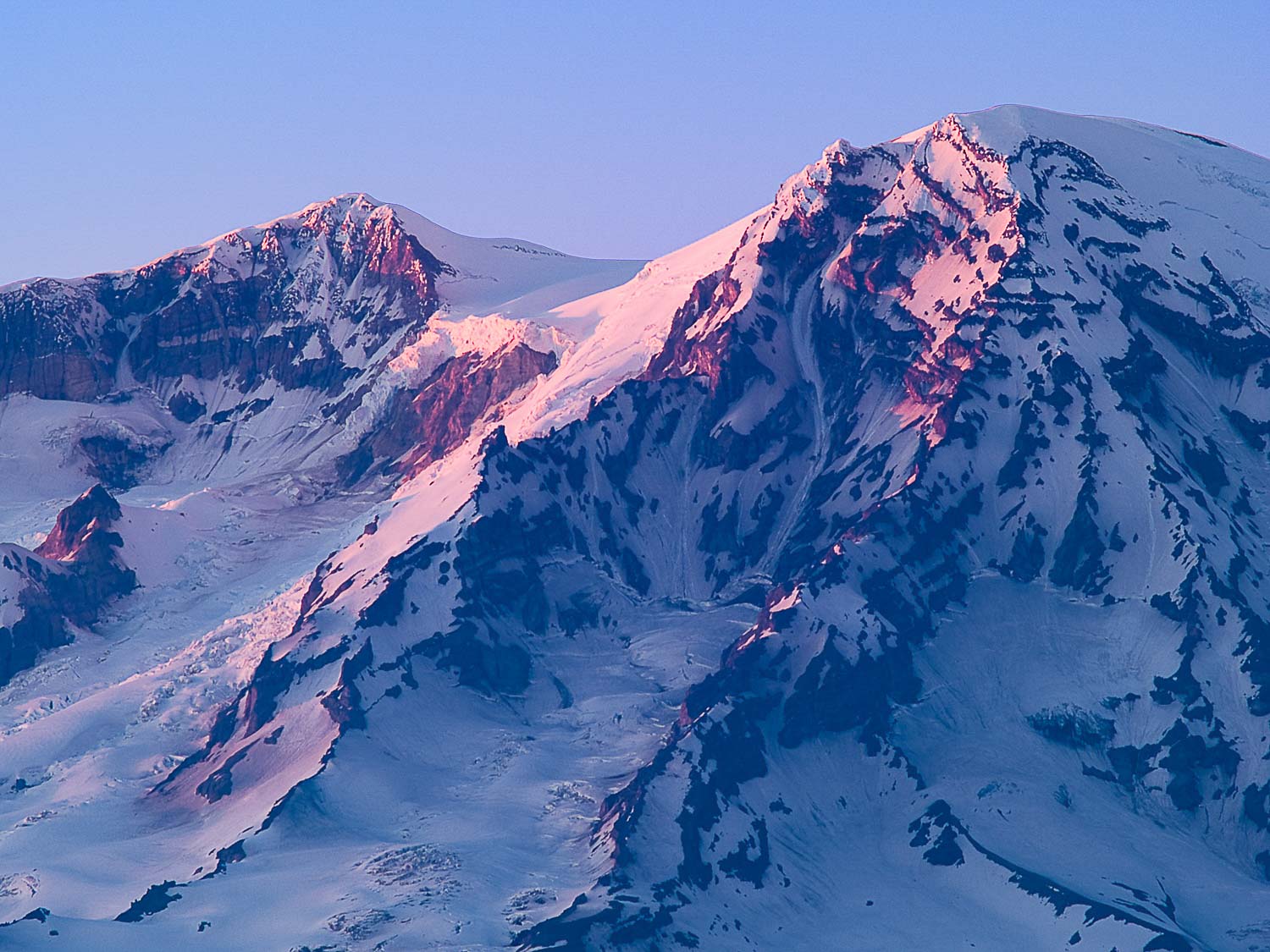
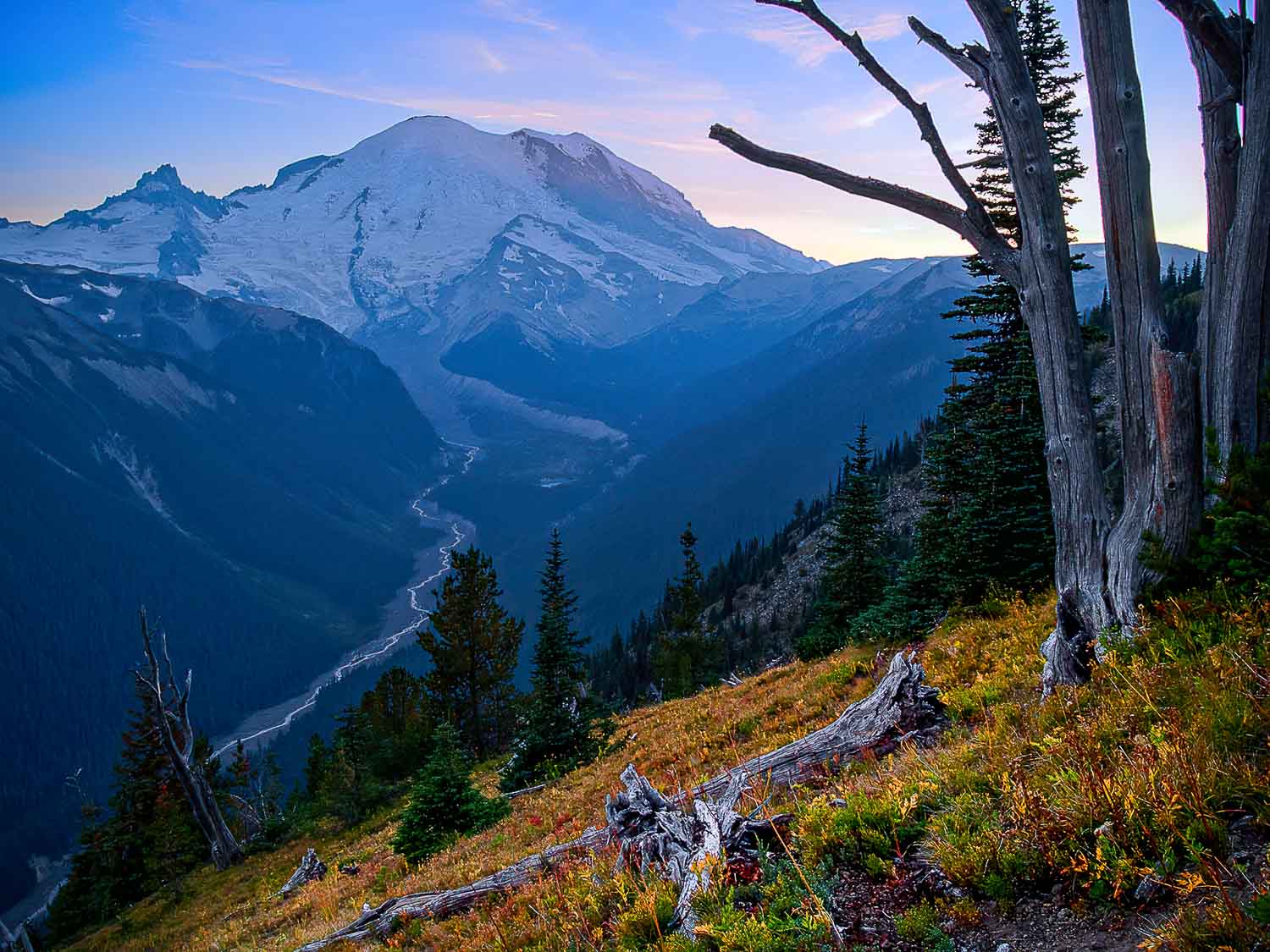
Eruptions, avalanches, grinding glaciers, surging floods, ferocious weather—yes, volcanoes are powerful, sometimes violent places. But almost all of the time Tahoma reigns in serene and solitary splendor, sparkling like a diamond against the blue sky, its summit illuminated by golden sunbeams on a crisp, clear morning or glowing in the pink alpenglow of the setting sun, a Northwest talisman. The great white cone is reflected in numerous lakes and tarns, providing the Yin and Yang of many a calendar photo. But The Mountain is not all the park has to offer.
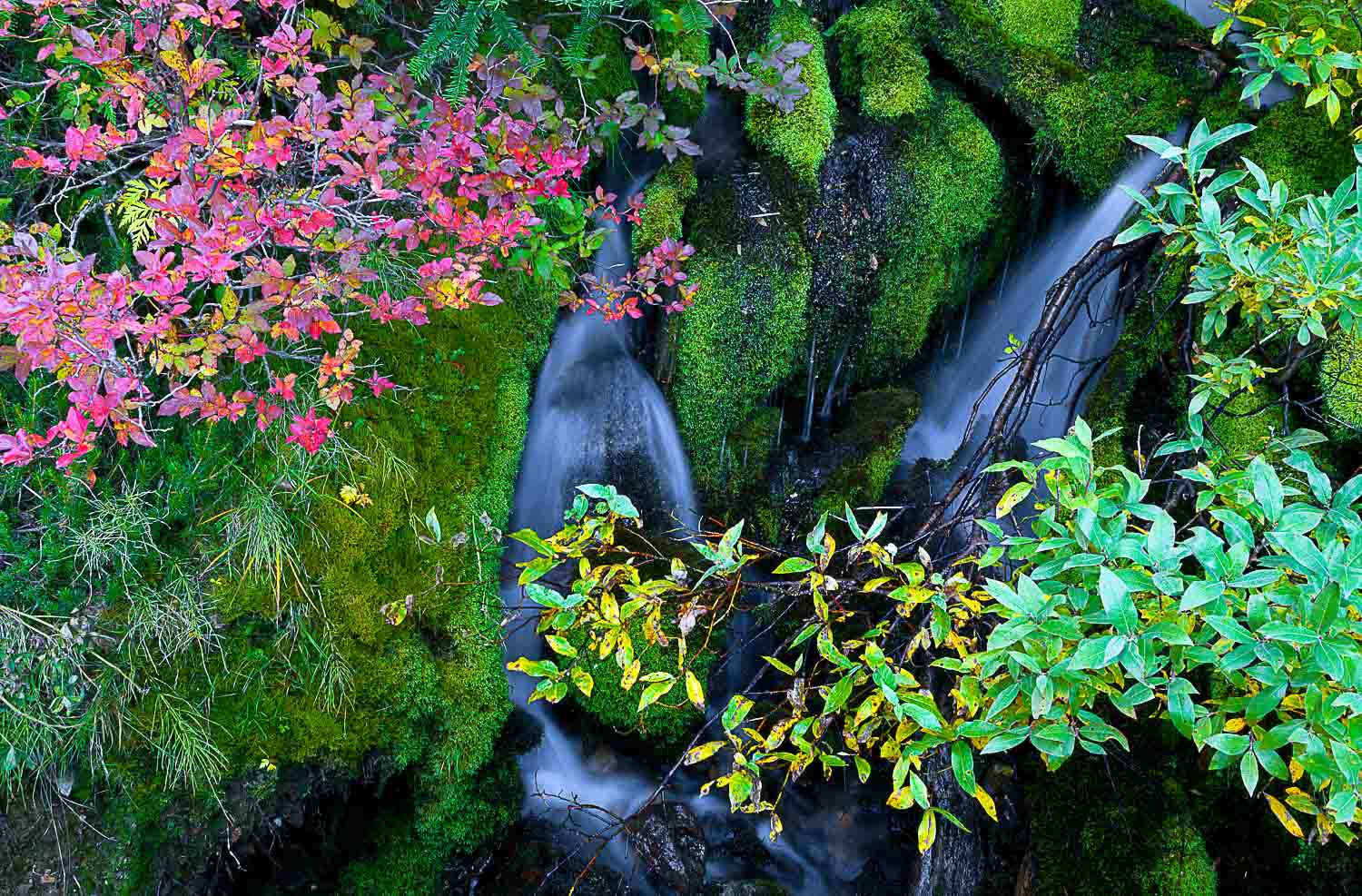
Tahoma has been my home mountain for about 50 years. I’ve experienced many parts of the park where the crowds do not go. There are about 100 smaller peaks in or near the park, with climbers’ trails connecting them. I have wandered beside cheerful meandering brooks cradled by luscious Japanese gardens of deep mosses and wildflowers, accented with the occasional artfully placed lichen-covered rock. On the eastern side of the mountain, near Sunrise, one can find an area of “cryptobiotic soil crust,” which—as the name implies—is not fully understood. It has a barren look, completely unlike the lush fields of wildflowers, and is more often associated with desert locations, and yet, there it is on the “dry” side of the mountain.
On the wet south side, down low, lies rainforest, at least by some definitions. It is almost impossible to walk through. The park has hundreds of mapped streams, lakes, and alpine tarns. Did you know that there is a lake on the summit? The native people knew about it long before the first documented ascent on August 17, 1870, by Hazard Stevens and Philemon Beecher Van Trump ( guided by Yakama Chief Sluiskin).
Lou Whittaker, the famous mountaineer and guide who probably knew The Mountain better than anyone, went scuba diving in that lake encased beneath an overhanging ceiling of snow. Heat from steam vents keeps it from freezing, and climbers have been known to take refuge there during raging blizzards. There are countless waterfalls of various sizes, some seasonal, many virtually never seen, which seems fitting for a peak called The Source of Nourishment.
Every fall, hordes of “leaf peepers” trek to Vermont and New Hampshire to bask in their fabled fall colors. Here in the Pacific Northwest, some go to Leavenworth or Winthrop for our version, or to the high alpine areas of the Cascades for the golden larches. Tahoma has its own phantasm of fall foliage—it’s just not as tall. The oranges and reds and yellows that paint the meadows of Paradise and the nearby Tatoosh range are every bit as spectacular. You’ll even find some blueberries! The season at that elevation is so short that the leaves are turning while flowers are still blooming.
Come to Your Senses
Part of what draws pilgrims to the national parks is the quiet, the “sound of silence”. One of my friends calls it the absence of “city echoes”. Some places are quiet, but usually there is some sound, maybe a gurgling stream nearby or the hushed roar of water falling in the distance, fading in and out with the breeze. Maybe the wind itself. Sometimes you can hear the wings of a bird flying overhead. Wind makes different sounds in different types of forest. “Whispering Pines” is the name of many housing developments around the country, and the wind in the pines has a unique…well, whispering sound. Here on the west side of the Cascade crest, we don’t have many pines, but a light breeze through our firs and hemlocks also breathes its own soothing song.
The absence of sound—actually, the presence of natural sound—is, to me, one of the best aspects of the wilderness. In town, we live in a bath of background noise that we’re not even aware of much of the time. Natural sound creates a healing space. There is nothing like an afternoon nap in a field of flowers beside a babbling brook in the sunshine, with your hat shading your face while bumblebees make their rounds.
How much attention do you pay to smell? After being surrounded by snow for several hours skiing in the spring and then descending back into the land of vegetation, the vibrant smell of fresh growth brings me a comforting feeling of revival and triggers memories of many similar idyllic days of warm-weather skiing. In the fall, a couple of particular scents take me all the way back to childhood, reminders of hikes with my dad in the Cascades of Oregon. Smell is a sense that doesn’t get enough appreciation, yet it has power, an evocative force of memory.
Visiting Tahoma brings forth many moods for me, and I’m sure to all visitors, different feelings for different people and different times and places within the park’s diverse landscapes. In its roughly 100 square miles, there are many environments to be savored, to be felt, with all senses. It’s a place of contrasts: the majestic and the intimate. You can savor scenes of stirring drama or soothing tranquility, lush foliage or barren rockscapes, simple abstracts of ice and rock or chaotic tapestries of color and form. You can find excitement or relaxation, deafening waterfalls or simple silence, crowds or solitude. Wherever you go, you will feel inspired and refreshed. No matter how many places within the park you’ve visited, you will want to take in more, either new locales or the chance to re-experience old ones. One lifetime just isn’t enough. There is always more to discover.
My many visits to the park bring to mind the old saying: “You cannot cross the same river twice.”
The Mountain is different every time.
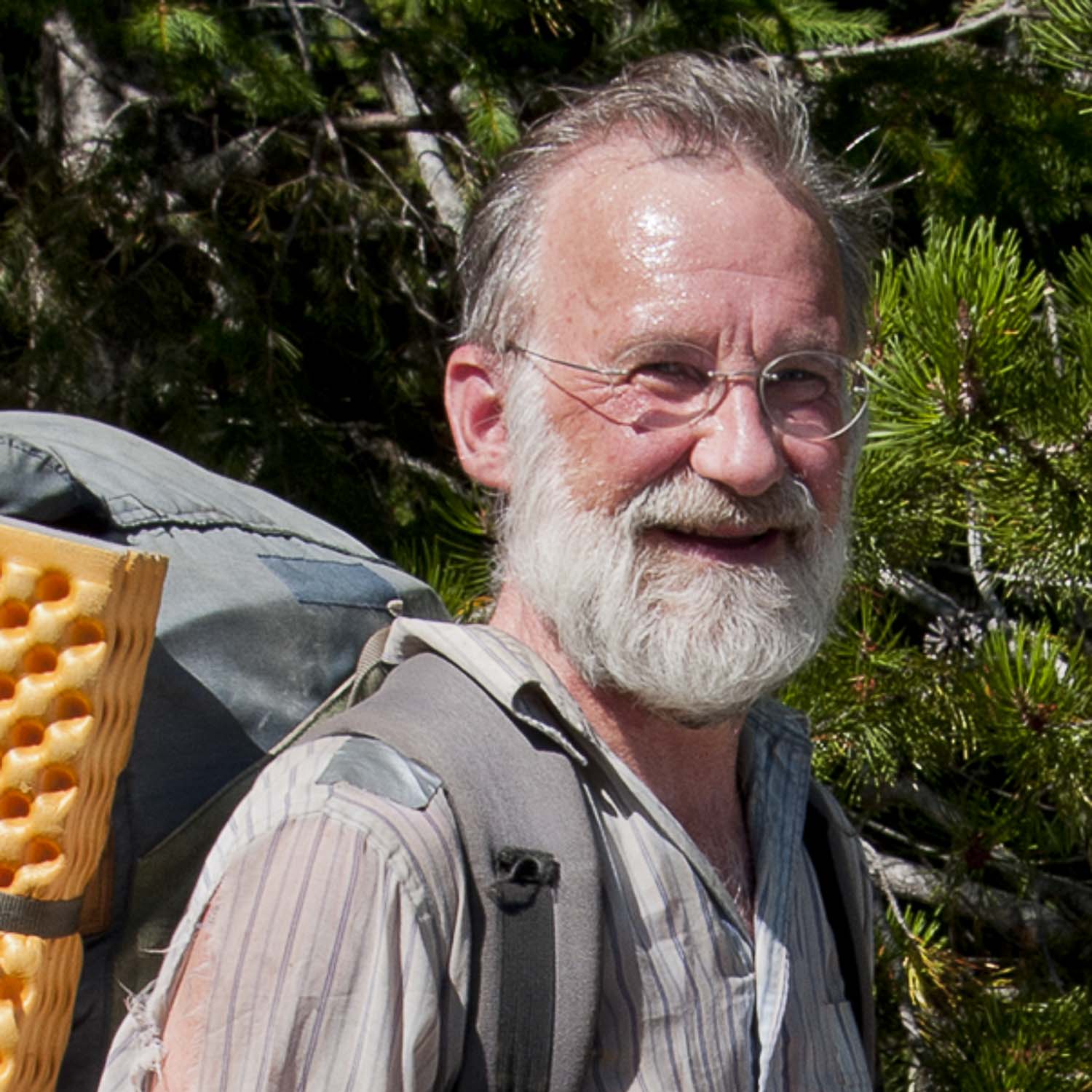
Gary Peniston has been backpacking since before he can remember. Along the way, he has added climbing, backcountry skiing, sea kayaking, road and mountain biking. He has been known to carry too much photo gear on backpack trips.