AdventuresNW




In the wild world of the outdoors, from tightening a loose handle to wrestling a shelf into place or setting off on a trail, the right tool turns a minor problem into a job you can finish. A good kit gives you options, saves you time, and makes unfamiliar situations feel far less daunting. So, preparation is just as critical at home as it is in the garage or halfway up a hill.
You don’t need a workshop or an expedition-sized pack to feel prepared for most things. A small collection of reliable essentials covers a surprising scope of jobs. Pick gear for how practical it is, learn how it works, and keep it within reach, so your practical skills are ready to use when plans adjust.
Everyday carry knives and the usefulness of compact tools
Among the compact tools people carry, everyday carry knives are appreciated for their portability and straightforward cutting ability. A folding pocketknife opens parcels, trims cord, cuts tape, and prepares kindling at a campsite. Its utility boils down to sensible selection, safe handling, and understanding the tasks it is designed for.
Compare designs on handle comfort, blade steel, ease of cleaning, and the quality of the locking mechanism, as a secure lock stops the blade from folding on your fingers during use. Check state and local rules before keeping a knife on you in public, as restrictions can differ by blade length, design, location and how it is carried.
Building a practical toolkit for everyday life
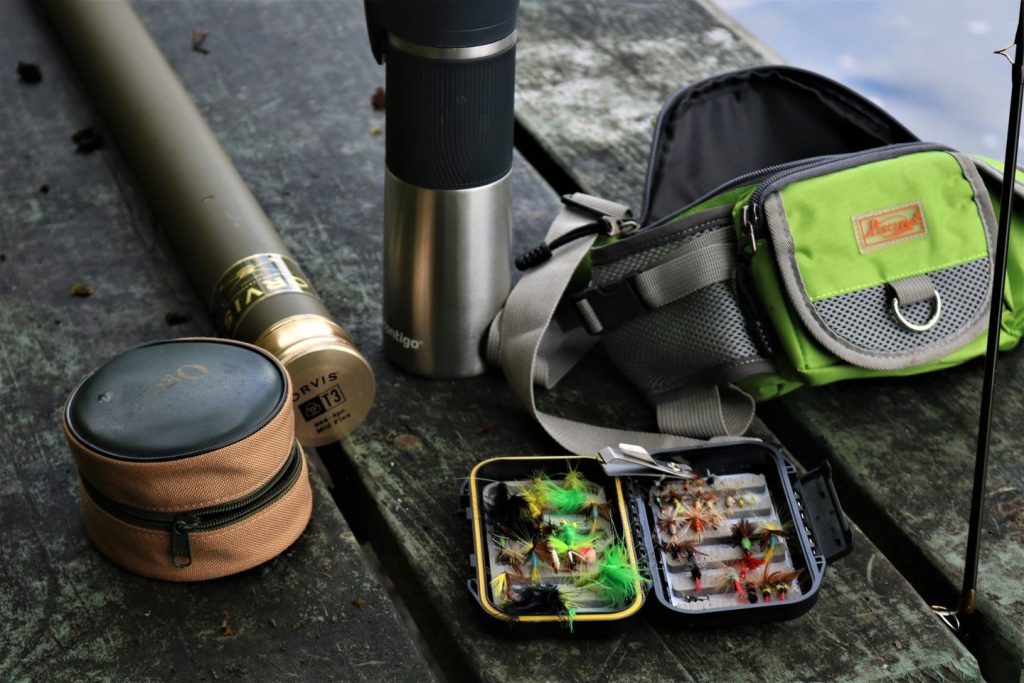 A household toolkit need not be elaborate; a claw hammer, adjustable wrench, tape measure, spirit level, pliers and screwdrivers will handle many routine repairs. Add a torch, a utility knife and a small assortment of screws and wall anchors, so you can sort out loose fittings, flat-pack furniture and simple maintenance without searching through multiple drawers.
Your tools work harder once you know their limits; for example, a tape measure prevents fitting mistakes and a level keeps shelves or pictures straight. Check handles, edges, and moving parts regularly, then store equipment dry. For electrical, plumbing or structural work beyond your experience, contact a qualified professional.
Taking useful equipment beyond the home
Once you leave home, weight and weather resistance are vital, as every item competes for space in your pack. A compact multitool, headlamp, repair tape, cord and basic first-aid supplies can handle common setbacks, so you can fix a torn strap or loose buckle without carrying a full toolbox into the backcountry.
The National Park Service includes repair materials among its Ten Essentials, recommending duct tape, a knife, scissors, and a multitool. It’s a practical point: gear can fail at the most problematic moments, so a small repair kit gives you options when damaged equipment threatens to interrupt your plans.
Navigation, maintenance and outdoor preparedness
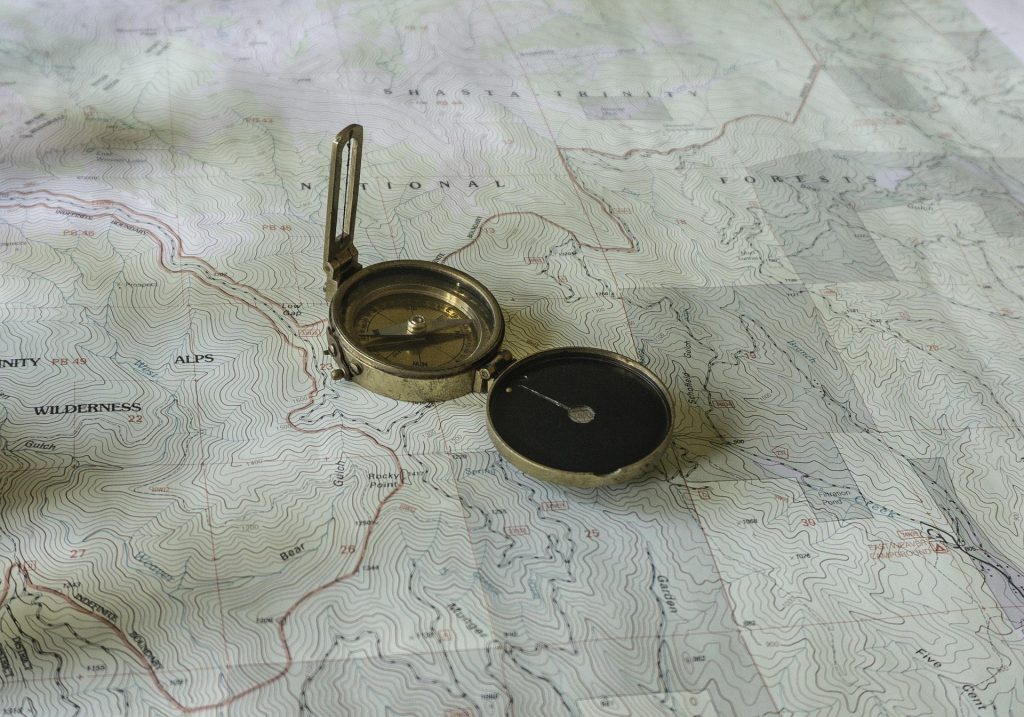 Some of your most important outdoor tools allow you to find your way: a map and compass work without a phone signal or a charged battery. A GPS device or downloaded digital map can add convenience, but learning basic map-reading skills and carrying a backup helps you make sound decisions on unfamiliar routes.
Pack for the route, the forecast and the time you anticipate being away, as a short local walk asks for very different things than a remote overnight trip. REI’s updated Ten Essentials framework groups preparation into ten systems, including navigation, light, first aid, tools, shelter, food, water and additional clothing.
Choosing quality, versatility and responsible equipment
Versatility can make a toolkit lighter, so a quality multitool is valuable when you need pliers, screwdrivers, or scissors in one compact package. However, combination designs involve compromises, so a dedicated tool is often better for repeated precision work. Evaluate the jobs you actually do before paying for features that will rarely leave the case.
Care also affects how long equipment stays dependable: clean, dry tools are less prone to corrosion, with moving parts benefiting from the maintenance the manufacturer recommends. Check batteries, sharpen cutting edges carefully, and replace damaged components, so a tool you count on at home is ready to go when you pack it for a trip.
Bringing everyday practicality and adventure together
The same habits connect domestic repairs with outdoor readiness, with both depending on choosing the appropriate equipment and knowing how to use it. A flashlight or headlamp is useful during a power outage or after sunset at camp, with cord, scissors, and a compact cutting tool solving small problems in either setting, from a garage to a campsite.
Build your collection incrementally, then practice with each item before needing to depend on it somewhere remote. Confidence comes from familiarity as much as ownership. When you understand what your tools can do and where specialist help is needed, you can handle everyday fixes calmly and spend more of your adventure enjoying the place you came to explore.