AdventuresNW



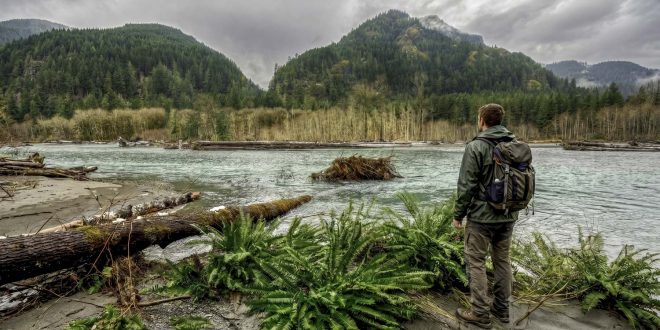
The removal of the Elwha and Glines Canyon dams on the Elwha River sparked a remarkable environmental success story. With so much doom and gloom about environmental disasters all around the globe, it behooves us to acknowledge the successes we’ve had in protecting the natural world.
After nearly a century of destruction, the restoration of the Elwha has become an impressive success, with humans and wildlife working together.
Like most environmental damage stories, this one begins with a familiar refrain. So let’s look at how it all started.
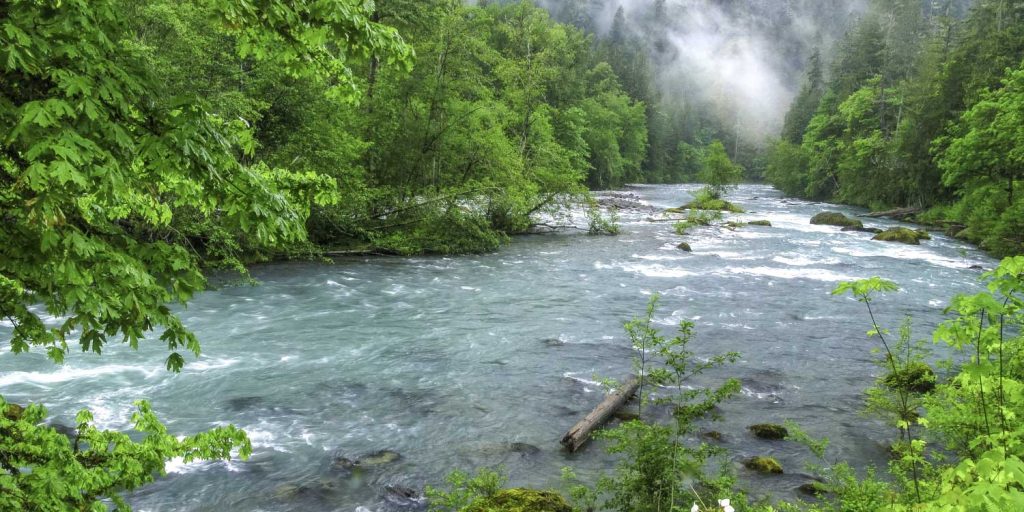
Since time immemorial, the Elwha River had been home to ten species of anadromous fish, primarily salmon and steelhead. The Lower Elwha Klallam tribe has fished the river and its estuary for at least 8,000 years. It was a plentiful, renewable source of protein surrounded by a mature, stable, complex ecosystem.
In the early 20th century, a Canadian-born businessman named Thomas Aldwell started buying up properties along the Lower Elwha. His big idea: pave the way for the creation of a large hydroelectric dam to power pulp mills in nearby Port Angeles. The sheer volume of timber seemed endless, and all he needed was a large mill project to reap massive rewards and create local jobs.
In 1910, he formed the Olympic Power Company with partner George Glines. Despite protests from the Lower Elwha Klallam tribe, the Elwha Dam was completed in 1913. The Port Angeles lumber mills expanded rapidly, and more power was required. Thus, in 1927, the Glines Canyon Dam was completed upstream. Neither dam made any accommodation for fishways or fish ladders.
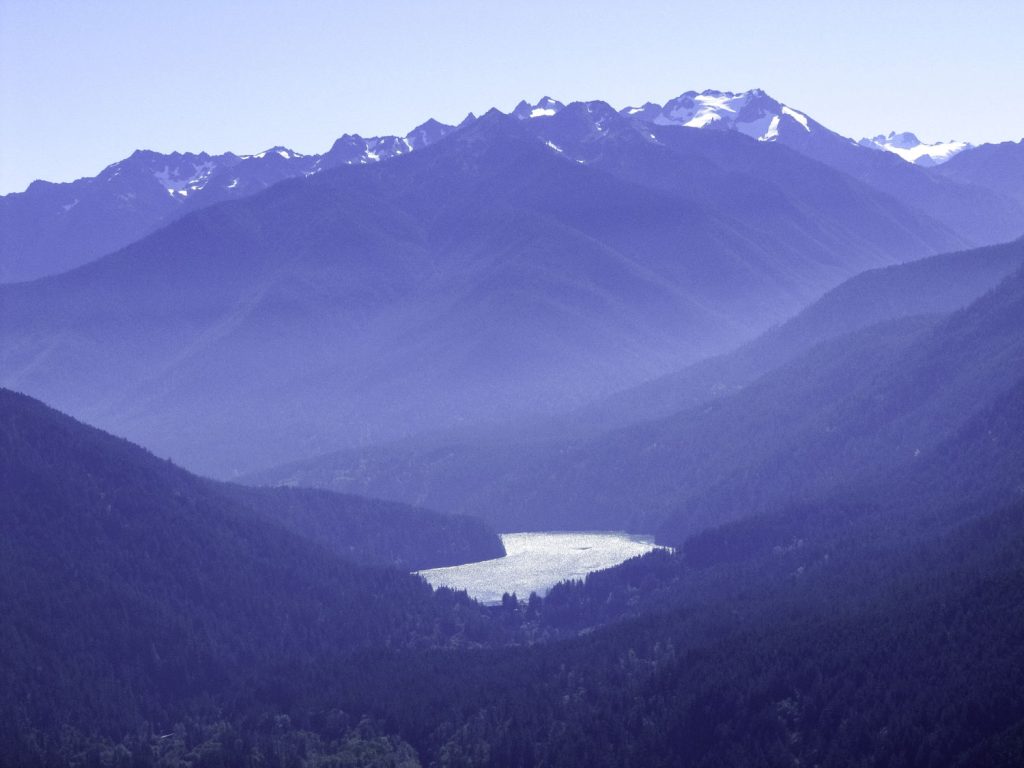
Unlike the Elwha Dam, Glines Canyon was located well within the Mount Olympus National Monument, which should have given the government pause in approving the project. Despite continuing outcry from the Lower Elwha Klallam, the Federal Power Commission approved the project. They considered the Glines Canyon Dam to be in line with the policies of US Forestry Service chief, Gifford Pinchot, whose “Utilitarian Conservation” held that natural resources should be used for the greatest good of the greatest number of people. In some cases, conservation of wild places to simply keep them wild made no sense to him.
In opposition to the dams, the Lower Elwha Klallam cited a Washington state law that prohibited projects that negatively impact salmon. Washington State Fish Commissioner Leslie Darwin blunted these arguments by declaring that the Elwha Dam would serve as a “hatchery rack”, a method of collecting fish for hatcheries. As you can imagine, this specious claim was without merit.
In opposition to the “hatchery rack” theory, local warden J.W. Pike wrote to the fish commissioner: “I have personally searched the Elwha River and its tributaries above the Elwha dam and have been unable to find a single salmon. There appear to be thousands of salmon at the foot of the dam, where they are jumping continuously.”
Nothing came of it. In the tug of war between salmon and timber, timber won.
For most of the 20th century, the Elwha and Glines Canyon dams powered lumber mills in Port Angeles, swelling the human population while the salmon population cratered. Prior to the dam construction, 400,000 salmon returned to the Elwha every year. After the dam’s completion, that number plummeted to 3,000, and nearly all those salmon were stuck in the short five-mile stretch between the dying estuary and the dam.
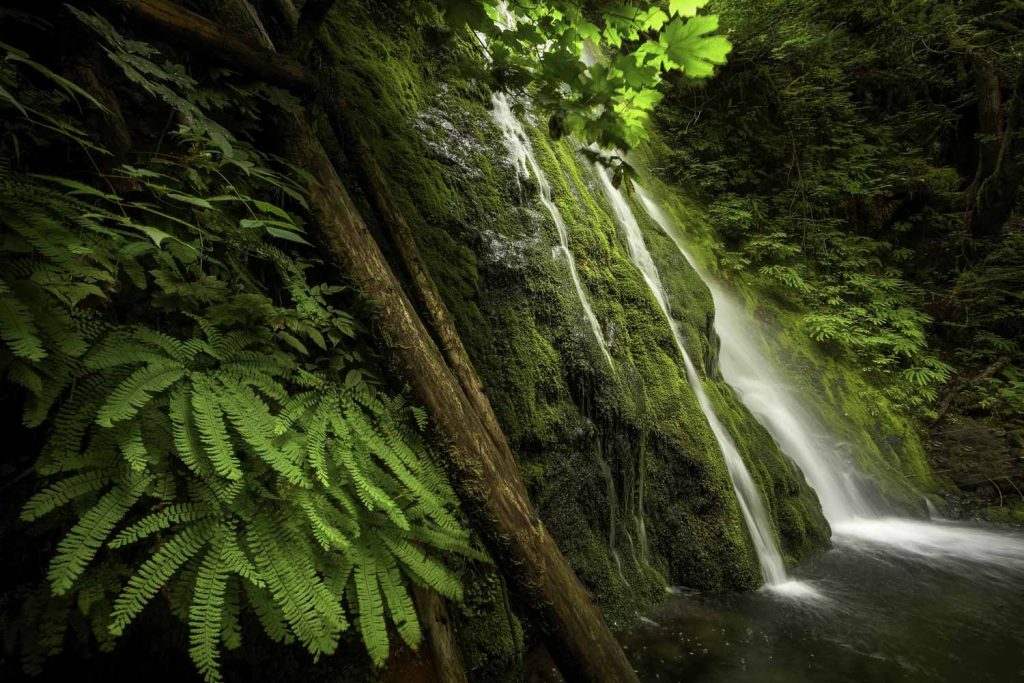
The disappearance of the salmon resulted in stark impacts on the Elwha’s riparian environment, affecting predators like bears and eagles and removing the nutrient-rich salmon corpses that had previously brought in nitrogen and carbon from the ocean – key components to the Elwha biosphere.
The two dams also blocked sediment movement to the coast, causing the Elwha estuary to shrink precipitously, affecting crabs, shrimp, and seabirds. The loss of downstream sediment also affected the few salmon who dared enter the Elwha, where the tree detritus and pebbles that formed their preferred spawning habitat were no longer being deposited.
The Lower Elwha Klallam never wavered in their opposition to the dams, even as generations came and went. Eventually, in 1974, the Boldt Decision reaffirmed the tribe’s right to manage and harvest fish per agreements signed in the 19th century. This decision brought the force of law back into the tribe’s court. The tide had turned.
Ongoing pressure from the Lower Elwha Klallam tribe, the non-profit American Rivers, and the National Park Service (NPS) convinced Congress to pass the Elwha River Ecosystem and Fisheries Restoration Act in 1992, which authorized the NPS to acquire and decommission the Elwha and Glines Canyon dams.
In late 2011 and early 2012, the Elwha Dam was removed. The work was done in stages to avoid devastating the downstream riparian zone and to allow the estuary to grow at a moderate pace. Otherwise, the sudden rush of sediment would have choked the mouth of the river.
The removal of the Glines Canyon Dam followed in 2014. And here is where the story gets interesting.
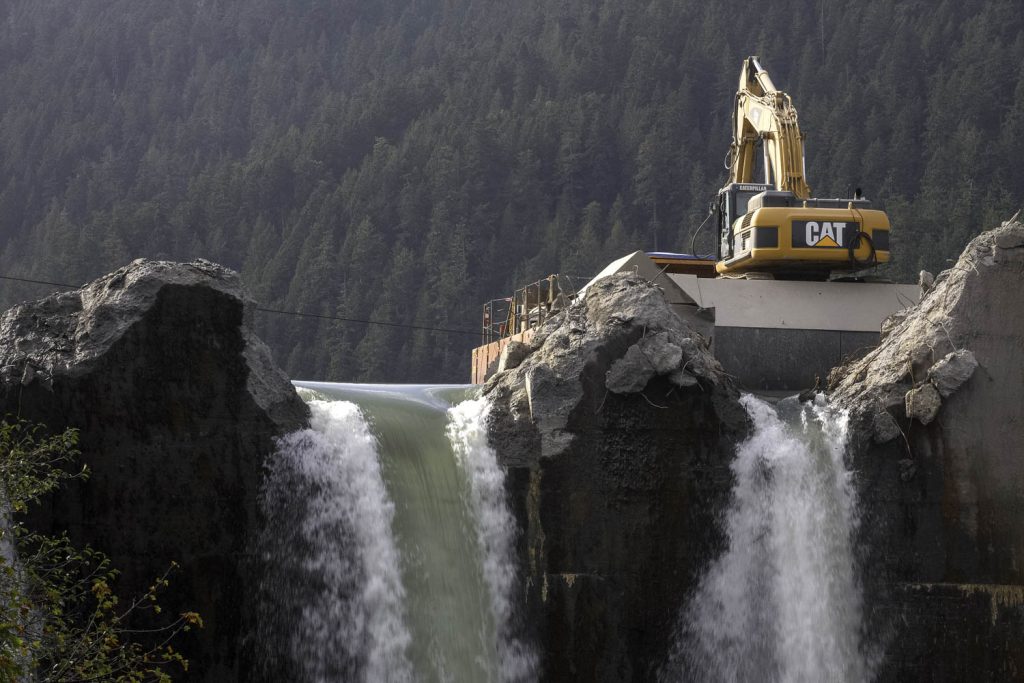
There were some immediate improvements (as we shall see), but there remain plenty of medium-term and long-term efforts to restore the damaged riparian habitat. Much like the damage wrought by war, destroying the Elwha was quick and easy, while restoring it will be difficult and time-consuming. Some processes are already well underway, while others are decades or centuries from completion.
To understand how the Elwha is bouncing back, I contacted John McLaughlin, Associate Professor in the Department of Environmental Sciences at Western Washington University. McLaughlin is an expert on the Elwha biome, having published numerous papers on the subject.
His passion is unbridled.
I’ll occasionally quote McLaughlin as we look at how things are progressing.
Once the river flowed free again, the Elwha River Restoration Project immediately began a three-phase process of restoring the natural vegetation: minimizing invasive species, restoring natural ecosystem processes, and re-establishing native forests.
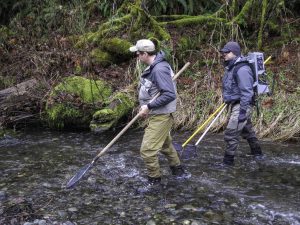
Within a year of the dam removals, park botanists and a team of volunteers began re-planting what were the lake beds, now barren acres of sediment and rocks. The participants transplanted hundreds of thousands of plants and spread tons of seed, all native species: The teams reintroduced Douglas fir, red alder, black cottonwood, western red cedar, Sitka willow, and many other trees and plants. The revegetation plan included replanting areas outside the lakebed and along the river to encourage the natural dispersal of local flora back into its full range. Natural is better, even if it’s a bit slower sometimes.
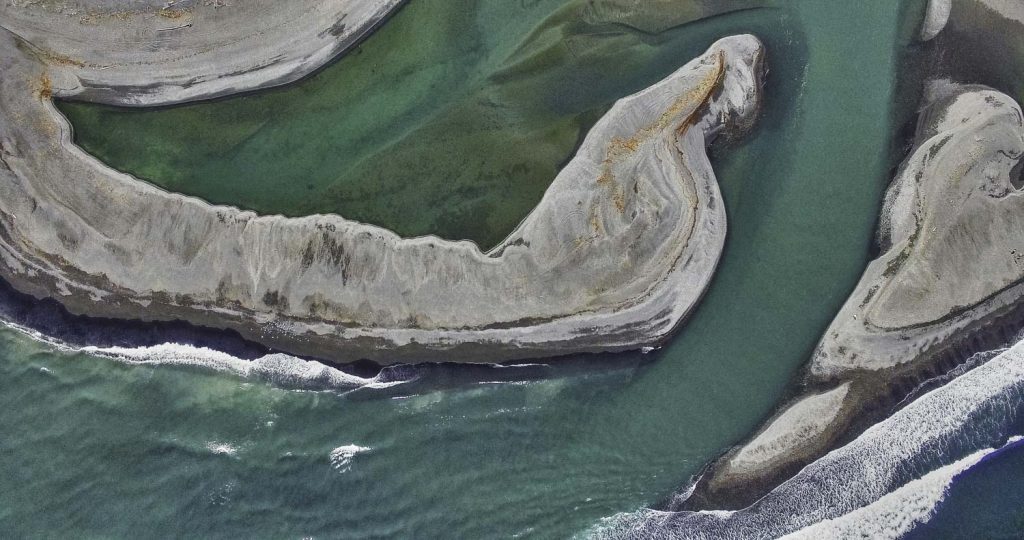
Some aspects of the restoration occurred surprisingly rapidly. McLaughlin noted the rapid changes in the geology: “About 70% of the sediment accumulated in the reservoirs (accumulated over 100 years) distributed downriver to sediment-starved habitats within five to six years. This restored gravel spawning habitat to the river and restored the Elwha estuary at the river mouth.”
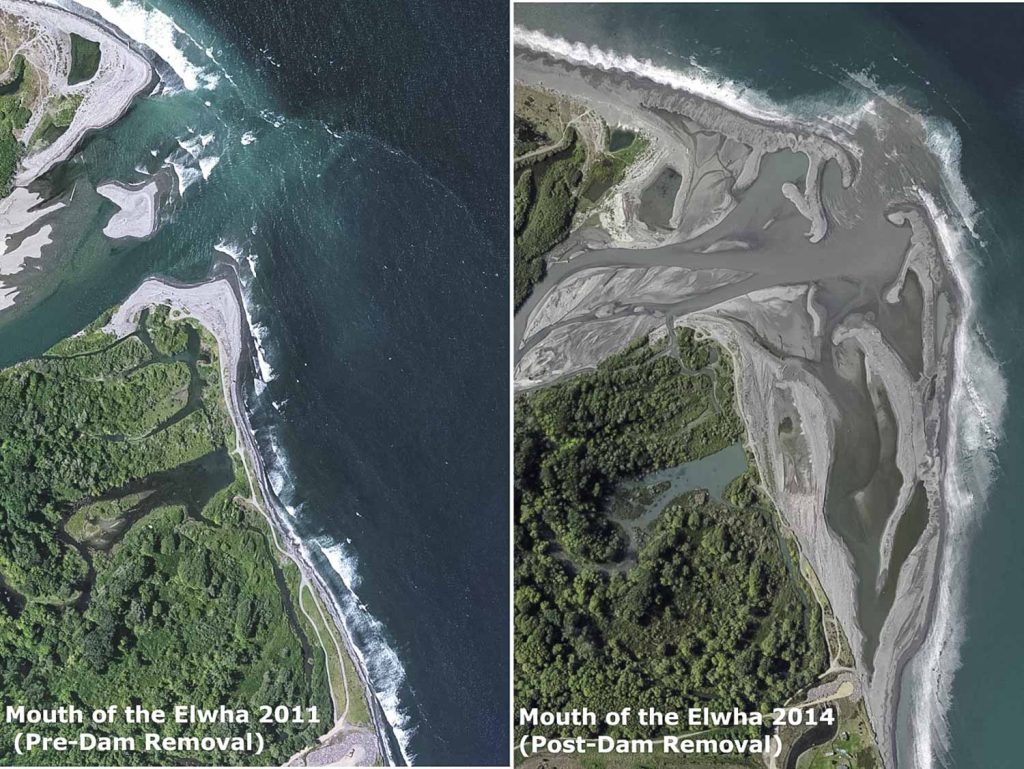
The Mouth of the Elwha. Courtesy of NPS
The Elwha estuary is a stunning and highly visible sign of the recovery.
McLaughlin: “The transformation of the nearshore marine environment, from steep cobble shoreline to extensive sandy beach, restored surfing opportunities (and the recreational economy), habitat for shellfish (a vital Indigenous food source and a provider of ecological functions), as well as habitat for salmon smolts. It also provided sediment to offset erosion, such as had occurred at nearby Ediz Hook. Formerly, the Army Corps of Engineers spent millions of dollars a year to augment and protect Ediz Hook because the dams blocked river sediment.”
As the mouth of the river returns to its former glory, the return of wildlife along the Elwha has been dependent on the return of the salmon and steelhead. Much like the Lower Elwha Klallam people, the mammals, reptiles, amphibians, and birds rely on the fish as an attractant to populate the area. Thus, the salmonids are a keystone species, and their presence is critical.
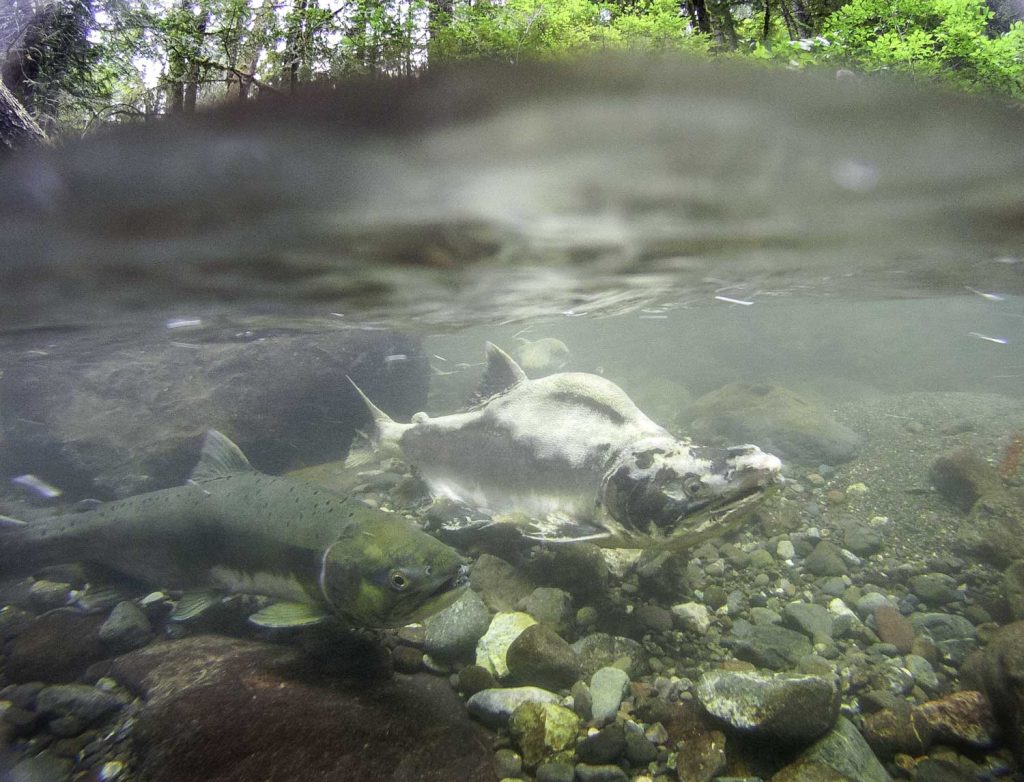
So: How are the fish doing?
I am pleased to report they are doing surprisingly well. Initially, once the dams were removed, the salmon response was weak. The rapid outflow of decades of sediment wasn’t appealing to them. But after three years of relocating hatchery Chinook and steelhead to upriver locations beyond the dam sites, the fish began a robust return.
Chinook returns roughly tripled between 2014 and 2020. Steelhead returns also tripled in that time frame. The total number of fish is still unimpressive compared to pre-dam numbers, but recent estimates show a nearly 10% year-on-year increase in returning individuals. Some years are better than others, but the trend is clearly upward.
There has also been a dramatic shift in species abundance. Prior to the construction of the dams, pink salmon represented about 65-70% of all the salmonids in the Elwha, with Coho, Chinook, Chum, Sockeye, and steelhead as minority populations. Since the dam removal and the introduction of hatchery fish, Coho are now top dog, representing about 50% of the recovery population, with Chinook taking a distant second place. Pink salmon currently represent less than 5% of the Elwha residents. These numbers may change with time.
There is a long way to go (decades, easily) until we see annual populations (and distributions) return to pre-dam abundance.
Of course, the number of returning salmonids is only half the story. The outmigration of smolt from the Elwha estuary and into the big, wide ocean is also important.
A study from Frontiers in Ecology and Evolution found that the number of non-hatchery subyearling Chinook emanating from the Elwha River averaged 43,828 before the dam removal, 46,973 during the dam removal, and 323,764 after the dams were removed. These numbers rose dramatically in 2019 and 2020, when over 500,000 and then almost 1 million non-hatchery Chinook subyearlings were estimated.
Those are impressive numbers. The outmigration is cause for even more hope, but their success is tied to the fickle fingers of fate: predation, pollution, and plunder. Time will tell if these fish continue to come home happy and healthy, but so far, the returns are encouraging.
With the return of the salmonids and the reclamation of the reservoirs, wildlife has returned in heartwarming numbers. In what were once dead lakebeds, you can now find black bear, skunks, minks, weasels, beavers, otters, bobcats, cougars, snowshoe hares, fishers, deer, mice, rats, elk, eagles, herons, American dippers, and plenty of amphibians. These creatures were documented to have returned by 2017, and they continue to flourish.
The rapid return of the Elwha biome is a great story, but we are far from pre-dam habitat.
McLaughlin mentions that while some flora and fauna respond rapidly to the new opportunity, others have a long row to hoe.
“Some animal species respond rapidly, others require habitats and structures characteristic of older forest and mature floodplains — which will require much longer. Just a decade after dam removal, dense young forest (mostly deciduous) already is 6-10 meters tall! Nonetheless, restoring old-growth forest will take centuries.”

The Elwha restoration project is a case study in what can be done if we pull back on our industrial inclinations just a little bit. In the wake of the dam removals, Port Angeles has not crumbled. It is doing quite well, actually.
There are roughly 100,000 man-made dams in North America. Most are small dams designed for minor flood control, yet still pose a threat to the rivers they are designed to control. Around 1,000 are massive dams that have enormous effects on their riparian environments. The Elwha and later Klamath dam removals have shown that targeting nonessential dams is a good start to re-evaluating how to best balance the health of our critical river systems.
We shall see if the trickle becomes a torrent.
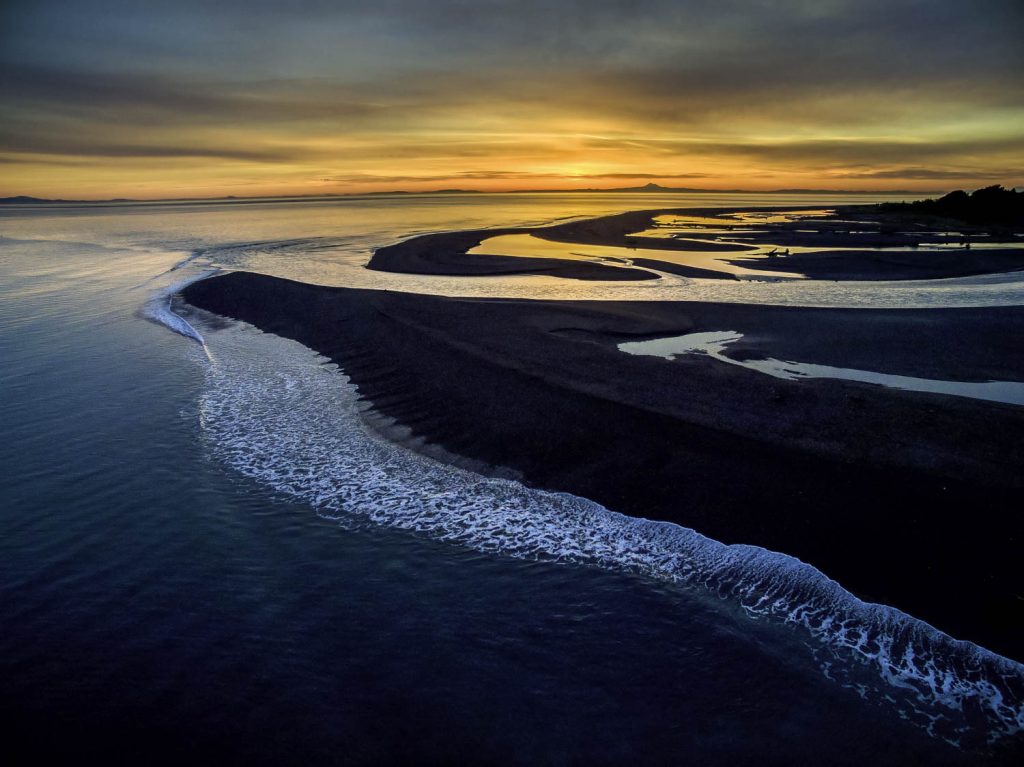
Ten Years After by John Gussman
It is likely that no artist has captured the process of renewal on the Elwha as completely––and masterfully––as photographer John Gussman. His book, Ten Years After is the result of an inspired decade-long project that showcases the changes in the river system. The images are both informative and sublimely beautiful. Signed copies of Ten Years After are available from the author at www.dcproductions.com/sales
 A longtime member and chairman of the Bellingham Greenways Advisory Committee, Ted Rosen can often be found on local trails complaining about litter. He is also a skilled guitarist and a student of history.
 Based in the Pacific Northwest, John Gussman has spent decades documenting landscapes, people, and the outdoor lifestyle shaped by that environment. A former newspaper photographer, his focus has now returned fully to creating still and motion imagery across the Olympic Peninsula and beyond. Visit him at dcproductions.com.