AdventuresNW



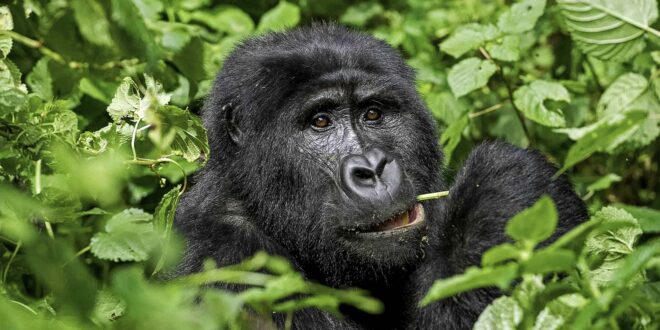
Wildlife travel works best with planning and preparation, while remaining flexible to local conditions. These destinations offer reliable opportunities to see animals in their natural habitats, though sightings can depend on season, weather, and timing. Guided experiences improve both safety and success, and in many locations, permits or advance arrangements are required.
The reward is seeing wildlife in ways that feel authentic, such as watching behavior unfold, exploring habitats, and experiencing landscapes that support these animals. With the right preparation, these adventures combine practicality with the kind of moments that make wildlife travel truly unforgettable.
Uganda for Up-Close Gorilla Encounters
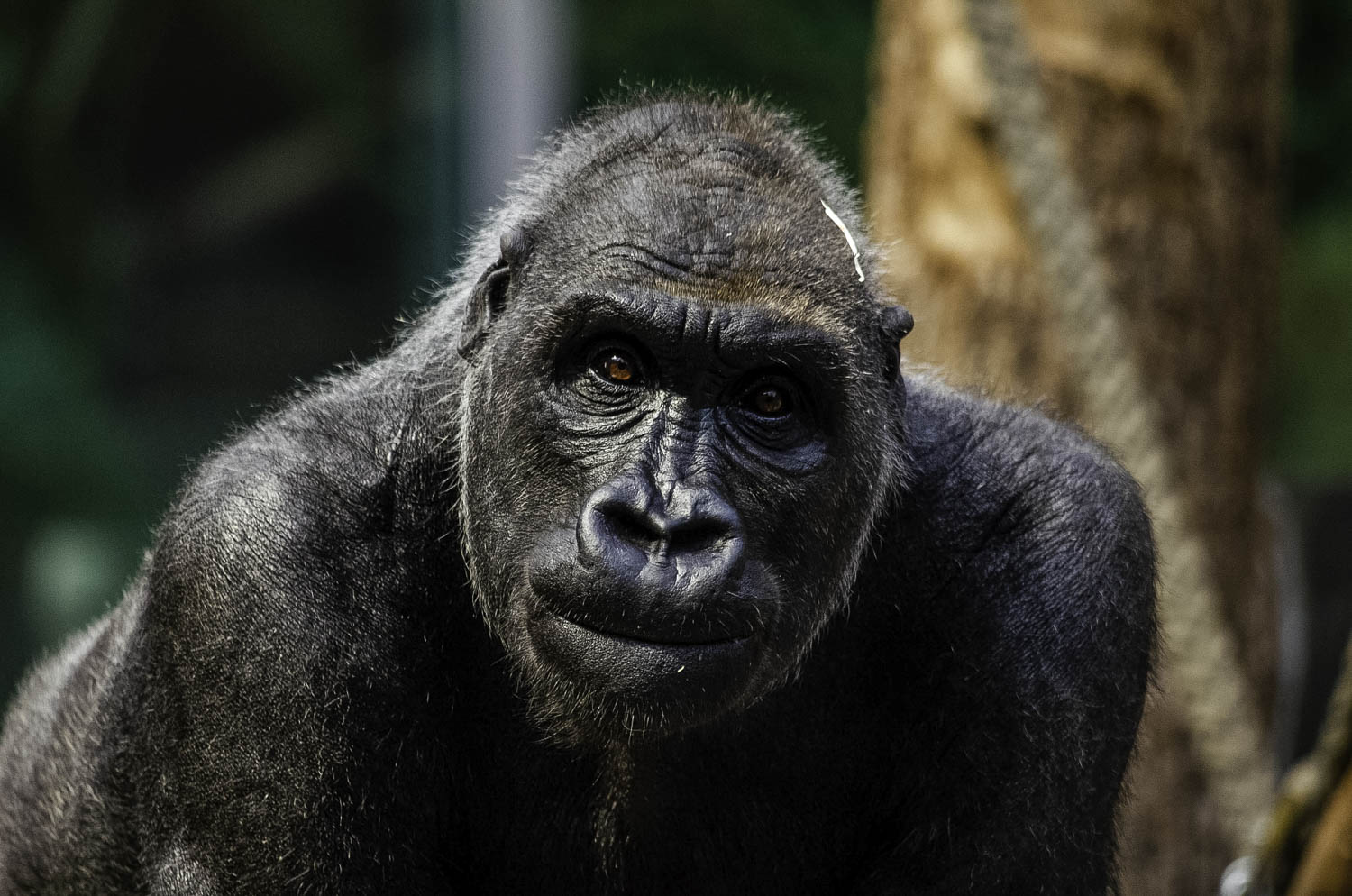
Uganda is one of the few destinations where visitors can observe mountain gorillas in their natural habitat. Permits are strictly limited at Bwindi Impenetrable National Park and Mgahinga, keeping groups small. Treks start early and vary in length depending on where the gorilla families are located, ranging from short forest walks to several hours of climbing in dense, often wet terrain.
Each gorilla group encounter is limited to one hour, in line with park rules. Guides ensure safety and maintain appropriate distances while interpreting gorilla behaviour and family interactions. The trek involves muddy paths, steep climbs, and short breaks, which add to the sense of achievement.
Outside of gorilla trekking, many travellers combine time in the forest with visits to Queen Elizabeth National Park or Kibale Forest. Chimpanzee tracking, boat trips along the Kazinga Channel, and drives through open savannah help round out the journey. For those who want everything arranged without cutting corners, immersive Uganda safari packages can ease the logistics while still leaving room for unplanned moments and slower days between treks.
Patagonia for Mountainous Wildlife Adventures
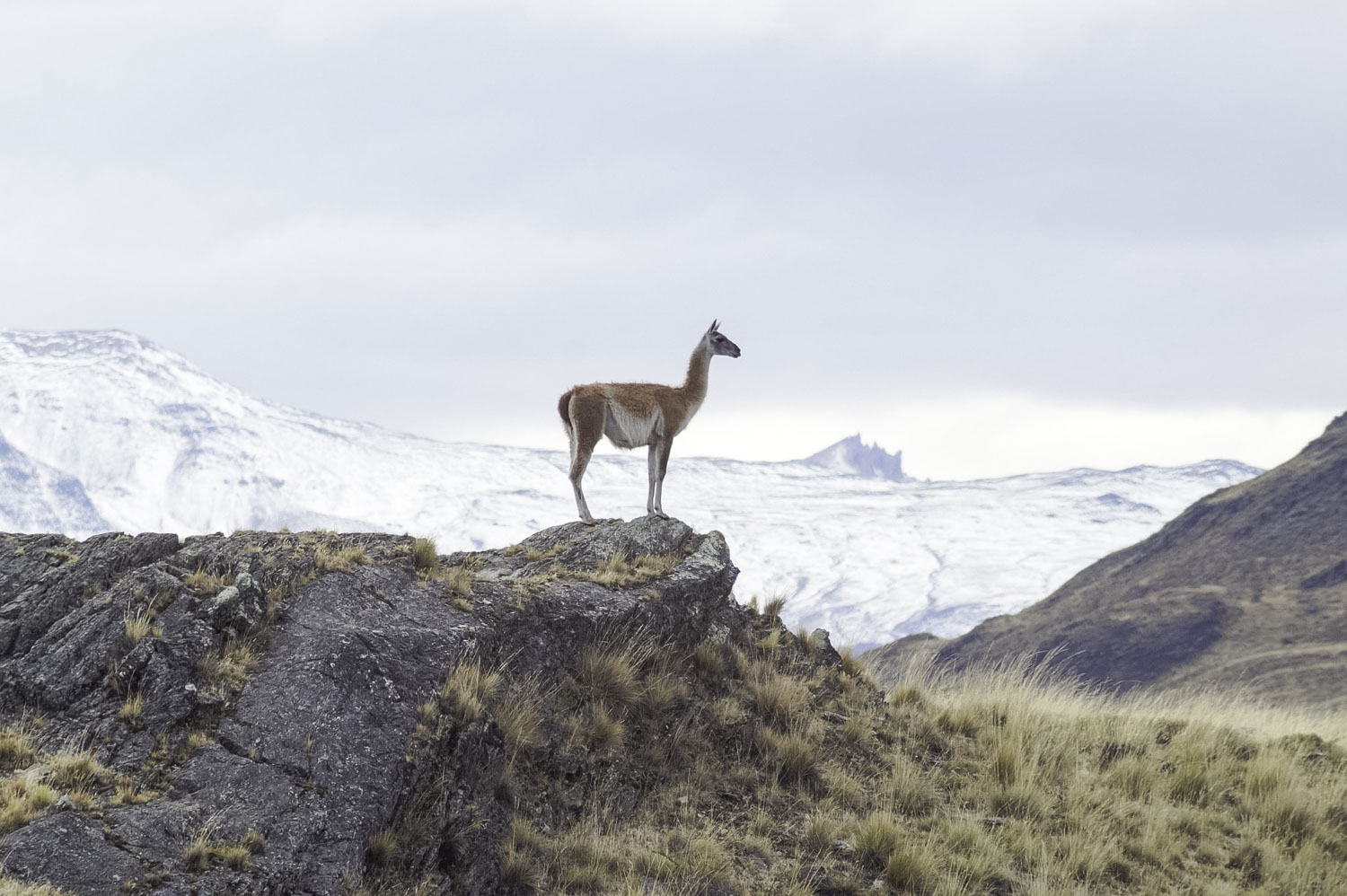
Patagonia stretches across southern Chile and Argentina, and wildlife here is tied closely to the terrain. In places like Torres del Paine National Park, guanacos graze near roadsides while Andean condors circle high above the ridgelines. Sightings often happen during long drives or on foot rather than at fixed viewing points.
Pumas are present across parts of the region, particularly in protected areas where livestock pressure is low. Seeing one isn’t guaranteed, but specialised tracking excursions around Torres del Paine or private reserves in Argentina have improved success rates. These outings rely heavily on experienced guides who understand animal movement and weather patterns, and they usually involve long periods of scanning rather than constant activity.
Further east, the Atlantic coast near Península Valdés offers a different pace. Southern right whales arrive seasonally, alongside elephant seals and Magellanic penguins. Days move more slowly here, shaped by tides and breeding cycles rather than fixed hiking schedules.
Antarctica for Pristine Polar Wildlife
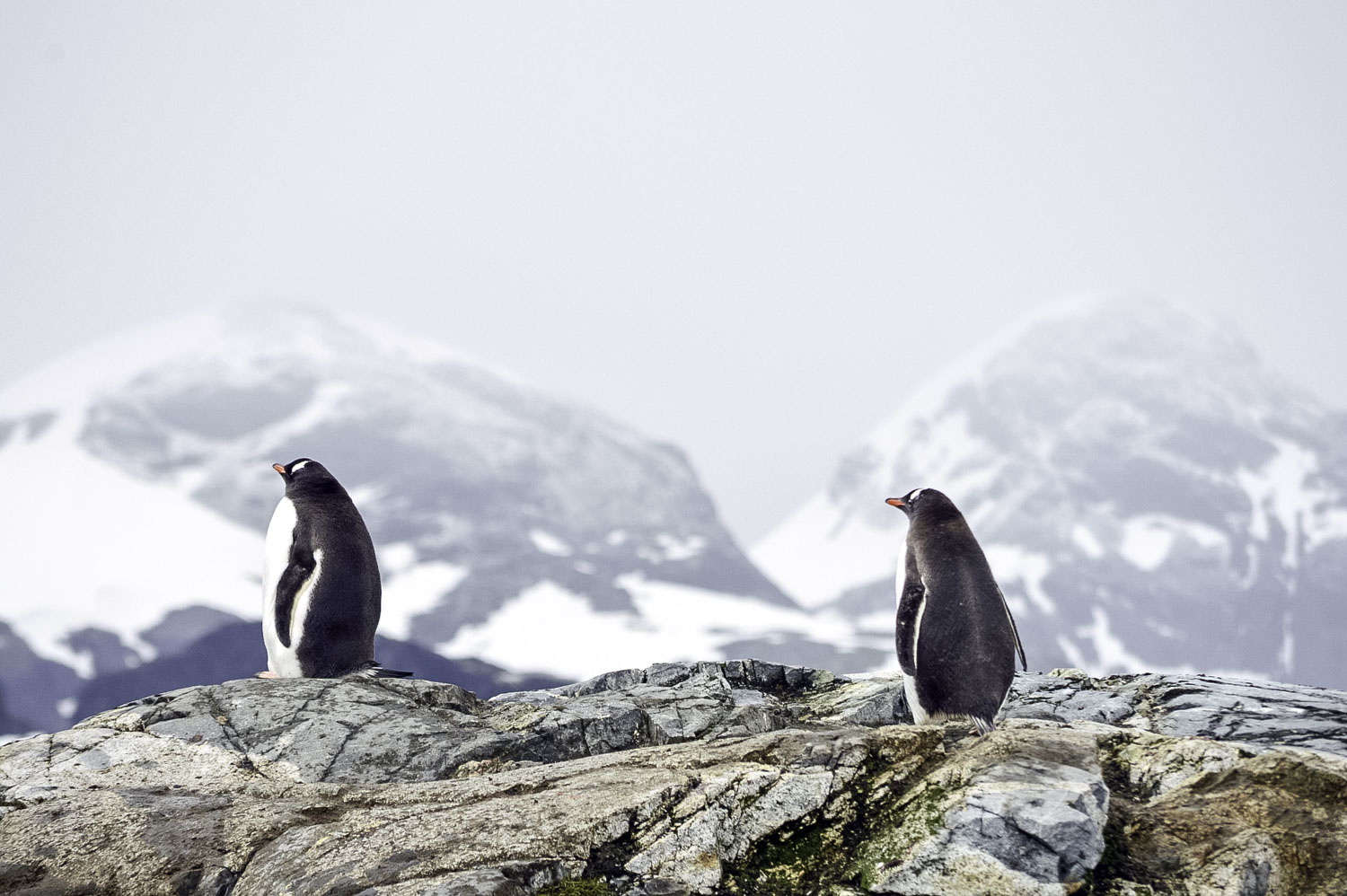
Antarctica remains one of the few regions where wildlife still dominates the landscape without visible human infrastructure. Most trips focus on the Antarctic Peninsula, reached by crossing the Drake Passage from South America. Conditions can be rough, and seasickness is common, but the payoff comes once landings begin.
Penguin colonies are the main draw, with gentoo, chinstrap, and Adélie penguins nesting close to shore. Landings are carefully managed, and visitors move slowly through marked routes to avoid disturbing animals. Seals often rest near landing sites, and whale sightings are common during zodiac transfers between ship and shore. There’s no background noise beyond wind, water, and animal calls, which gives the days a stripped-back feel.
Life on board matters as much as time ashore. Lectures, wildlife briefings, and weather updates shape each day, and plans change frequently. Dramatic Antarctica cruises structured to maximize time ashore often lead to stronger wildlife encounters. Flexibility is essential. Some days deliver multiple landings, others are spent navigating ice, watching wildlife from the deck, and waiting for conditions to improve.
Costa Rica for Biodiversity and Jungle Life
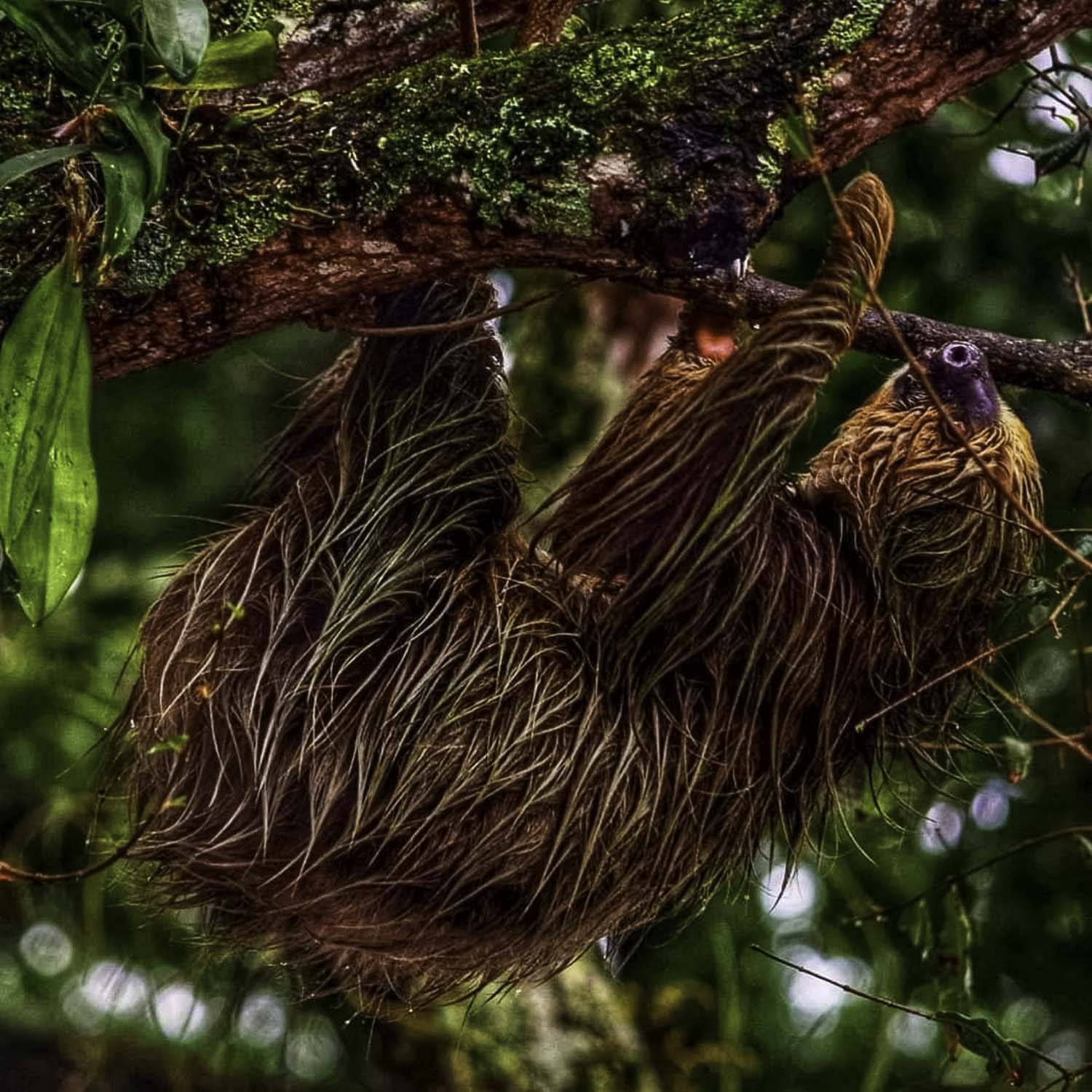
Costa Rica packs an unusual amount of biodiversity into a small area, which makes wildlife viewing here relatively accessible. National parks like Corcovado National Park are known for dense jungle and a high chance of seeing multiple species in a single walk. Monkeys, sloths, tapirs, and a wide range of birdlife are all part of the daily picture.
Guided walks make a real difference here. Many animals blend easily into the forest, and without someone pointing out movement or sounds, it’s easy to walk straight past them. Early mornings are best, especially in lowland rainforests where heat builds quickly. Night walks add another layer, with frogs, insects, and nocturnal mammals appearing once temperatures drop.
Costa Rica offers reliable wildlife experiences across a variety of ecosystems, from cloud forests to coastal mangroves. Travellers can see a range of species, including monkeys, sloths, toucans, and sea turtles, which are within a short distance of one another. Lodges are accustomed to early starts for wildlife viewing, and guided excursions help maximize sightings without long stays in a single location.
Iceland for Arctic Wildlife and Dramatic Landscapes
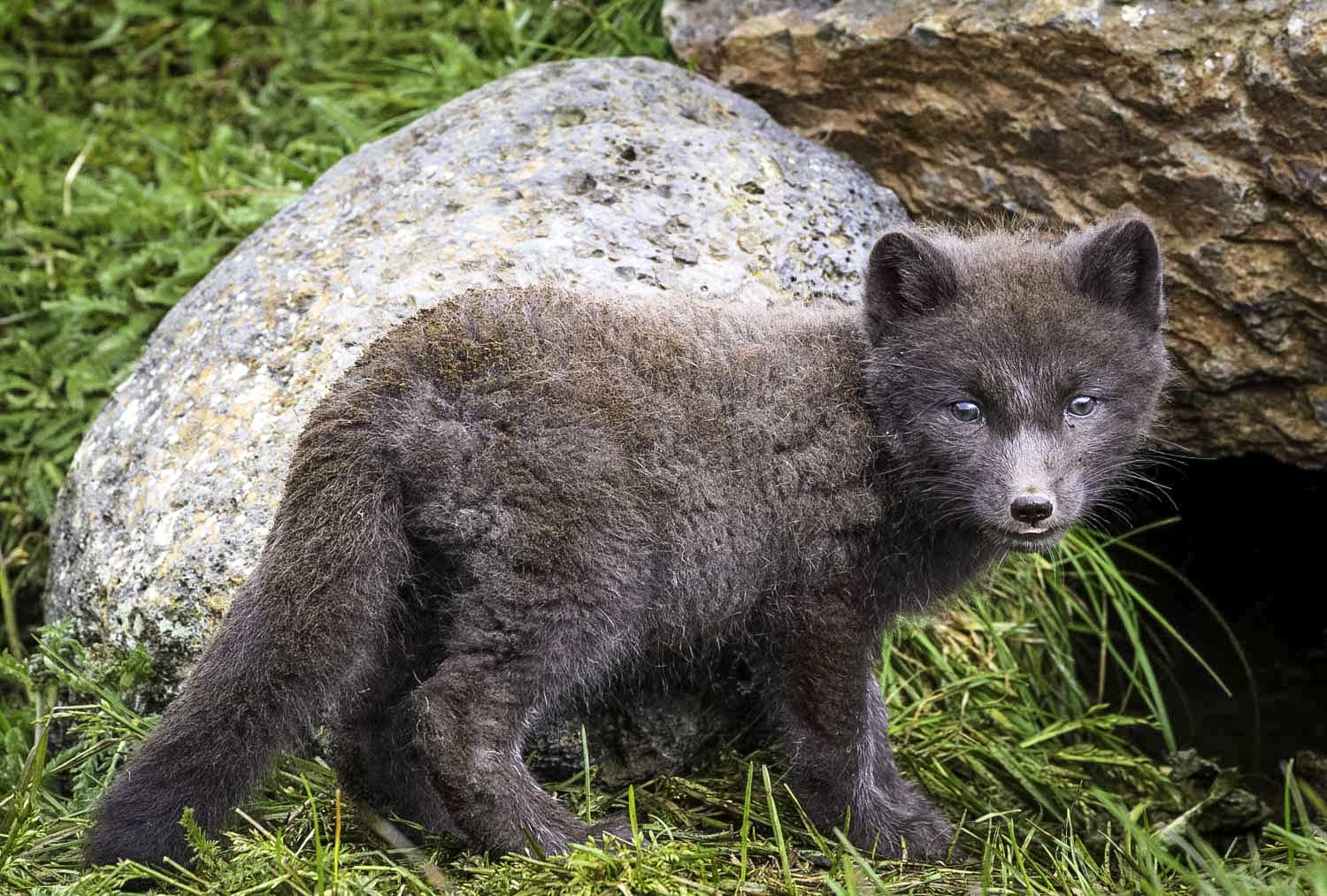
Iceland offers wildlife viewing that’s closely tied to season and geography. Along the coast, puffins nest on cliffs during summer, particularly around places like Látrabjarg and the Westman Islands. Access is easy, but the weather can change quickly, and wind often dictates how long people stay.
Whale watching is another highlight, with towns such as Húsavík known for consistent sightings. Humpback whales are common, and tours run from spring through early autumn. Boats are functional rather than flashy, and trips depend heavily on sea conditions. Patience helps, as sightings can take time, especially on quieter days.
Arctic foxes can be found in remote areas, particularly in the Westfjords and Hornstrandir Nature Reserve. Access to these locations typically requires hiking or boat transport. Visitors should plan carefully for logistics, including lodging options and transport, to make the most of wildlife sightings.
What Makes a Wildlife Adventure Truly Inspiring?
It’s rarely the volume of wildlife that matters, but the way the experience is built around it. Trips tend to feel more meaningful when wildlife sets the pace, plans stay flexible, and time is built in for waiting, watching, and adjusting to conditions on the ground. Early starts, knowledgeable guides, and an understanding of seasonal patterns often matter more than polished itineraries. When encounters happen as part of a wider journey rather than a fixed moment, they feel more natural and tend to stay with people long after the trip ends.