AdventuresNW



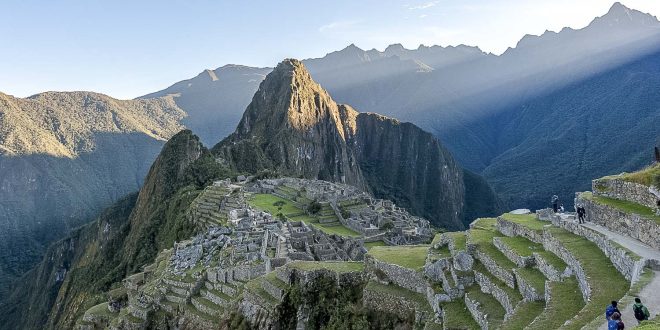
Mountain treks through indigenous territories require careful planning that honors the land’s original stewards and their living cultures. Many popular trekking routes, including those leading to ancient sites in the Andes, cross lands that indigenous communities have managed for centuries. Travelers who approach these journeys with cultural awareness contribute to preservation efforts while gaining a deeper understanding of the regions they visit.
These places shape identity and culture, not just geography.
Responsible trekking means being aware of local protocols, supporting community-led tourism initiatives, and recognizing that these landscapes hold spiritual and historical significance beyond their scenic value. The choices made before and during a trek directly affect the communities who call these mountains home. Proper preparation includes learning about indigenous land rights, seeking guides from local populations, and following established guidelines that protect both cultural sites and natural ecosystems.
Why Indigenous Land Recognition Matters for Mountain Trekkers
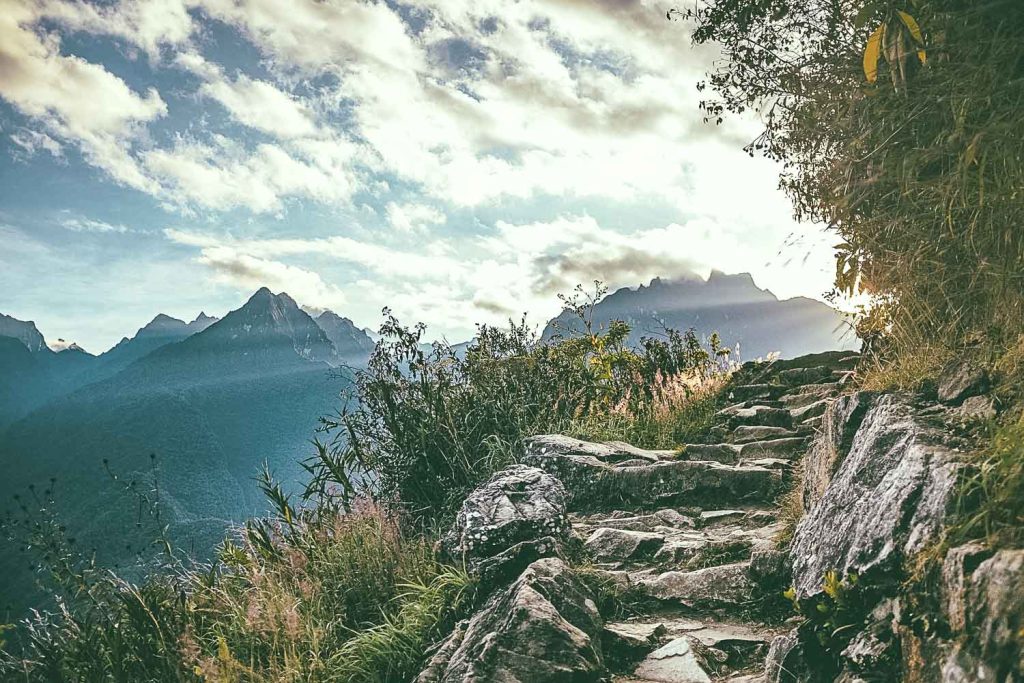
Indigenous territories are lands that native communities have occupied, managed, and protected across generations. In some regions these areas have legal status, while in others acknowledgment remains disputed. Knowing who cares for these spaces is essential for responsible mountain travel.
Mountains often form part of spiritual life and oral history for indigenous peoples. These places shape identity and culture, not just geography. Disregarding this reality can lead to social and environmental challenges for communities and ecosystems.
Indigenous communities are often involved in managing and protecting large areas of land around the world. These lands tend to be rich in biodiversity and may benefit from traditional stewardship practices that help maintain healthy ecosystems. For mountain travelers, respecting local knowledge and customs can help preserve these unique environments for future generations.
Research and Permissions Before Your Trek
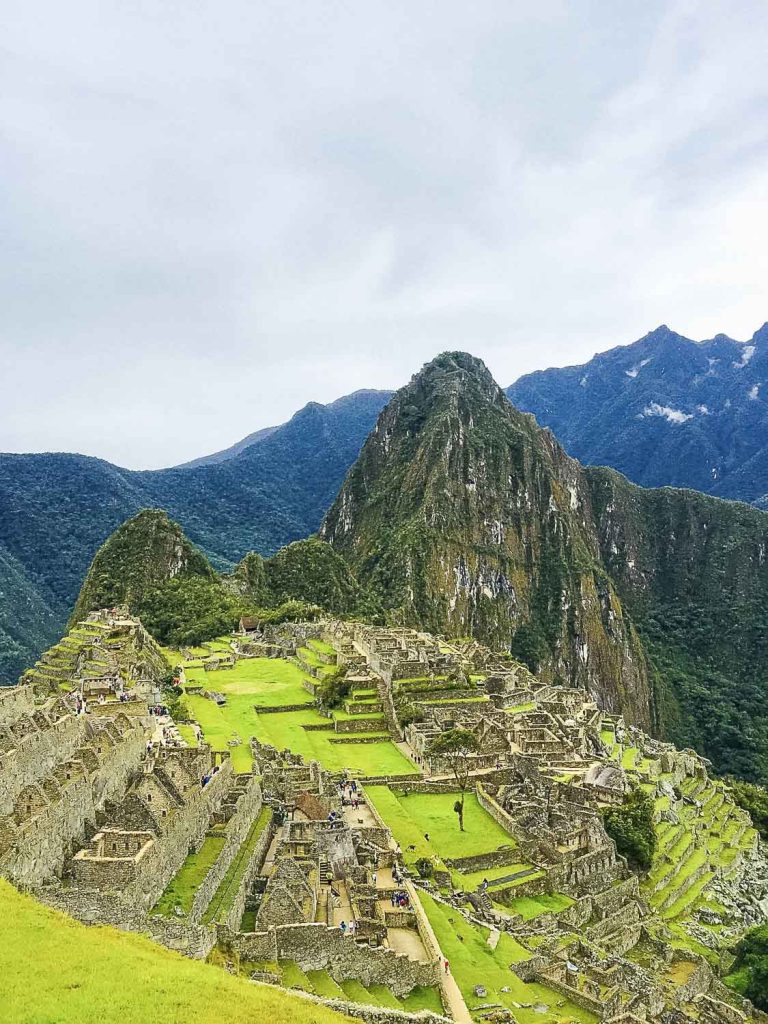
Trekkers need to establish if their route passes over indigenous territory. Standard travel resources do not always make this clear. Consulting local tourism boards, national park authorities, and indigenous councils is essential for trekking on indigenous land. Some areas require advance communication with community leaders, and entry may depend on their approval.
Permit systems can differ widely across regions. In Peru, Inca Trail access requires booking through a licensed operator, with daily quotas strictly enforced. In New Zealand, Great Walks cross land where protocols protect Maori cultural features. Both approaches aim to safeguard the landscape and its community significance. Knowing these rules months ahead prevents disappointment and misunderstandings later.
For Andes journeys, some companies organize trips that secure all necessary permits and provide cultural orientation. Travelers looking for guided Machu Picchu experiences can choose operators that include local guides, cultural briefings, and support throughout the trek. Booking with such operators helps ensure all fees support the right communities, and no permissions are overlooked.
Travelers planning routes in the Andes can find organized options that include required permits and cultural orientation. These guided trekking experiences often provide full support for responsible mountain travel throughout the journey.
Documentation and Cultural Protocols
Certain mountain treks require paperwork issued by indigenous authorities as well as standard park permits. Trekkers should allow several weeks for these approvals before departure. Failing to confirm this requirement early can lead to denied entry or last-minute changes that alter travel plans.
Always check with local offices rather than relying solely on operator advice to ensure all permits are in order. For example, some Andean villages request that passport copies be submitted before arrival for verification and community records.
Photography often raises concerns for local communities. Images taken without consent may disrupt privacy, misrepresent traditions, or document sacred spaces in ways that contradict cultural expectations. Many sacred sites prohibit photography, particularly during ceremonies or rituals.
Where photos are allowed, always ask a guide or community member before using a camera. Consent demonstrates cultural respect and helps prevent images from being used in ways the community does not support. Taking this step builds trust and avoids misunderstandings.
Environmental Practices That Align With Indigenous Values
Leave No Trace guidance fits with indigenous land care, though indigenous traditions view the earth as a living system that requires active stewardship. Both lead to similar habits for sustainable trekking practices: treading lightly, protecting water, and avoiding disruption to wildlife or vegetation.
Waste removal on remote mountain routes requires thoughtful planning. Travelers should carry out all packaging and food waste. Burying rubbish is not permitted in many high-altitude zones because recovery is slow, and disturbance damages delicate soils. Campsites must be sited well away from water sources, and even biodegradable soap should be kept out of streams or lakes.
Overuse and heavy foot traffic can damage mountain trails and the surrounding environments. Staying on established paths helps prevent erosion and excessive wear, while setting tents only on durable ground protects delicate meadows and rare plants. These habits are important for preserving fragile ecosystems for the future.
Supporting Local Economies Responsibly
Hiring guides from indigenous communities is a practical step in support of local economies and keeping travel benefits directly within those regions. Booking services through community-based operators helps ensure that more of the economic benefits remain with local people.
Checking that each guide receives a living wage confirmed by local standards ensures a supportive relationship. Travelers can ask about wages directly or request a written policy from the operator to confirm fair employment before booking. This transparency supports responsible mountain travel.
Buying crafts directly from makers instead of shops with outside ownership keeps income in the community. This supports families and encourages community members to preserve both natural and cultural resources. Direct purchases also ensure authenticity and fair compensation for artisans.
Cultural Engagement During Your Mountain Trek
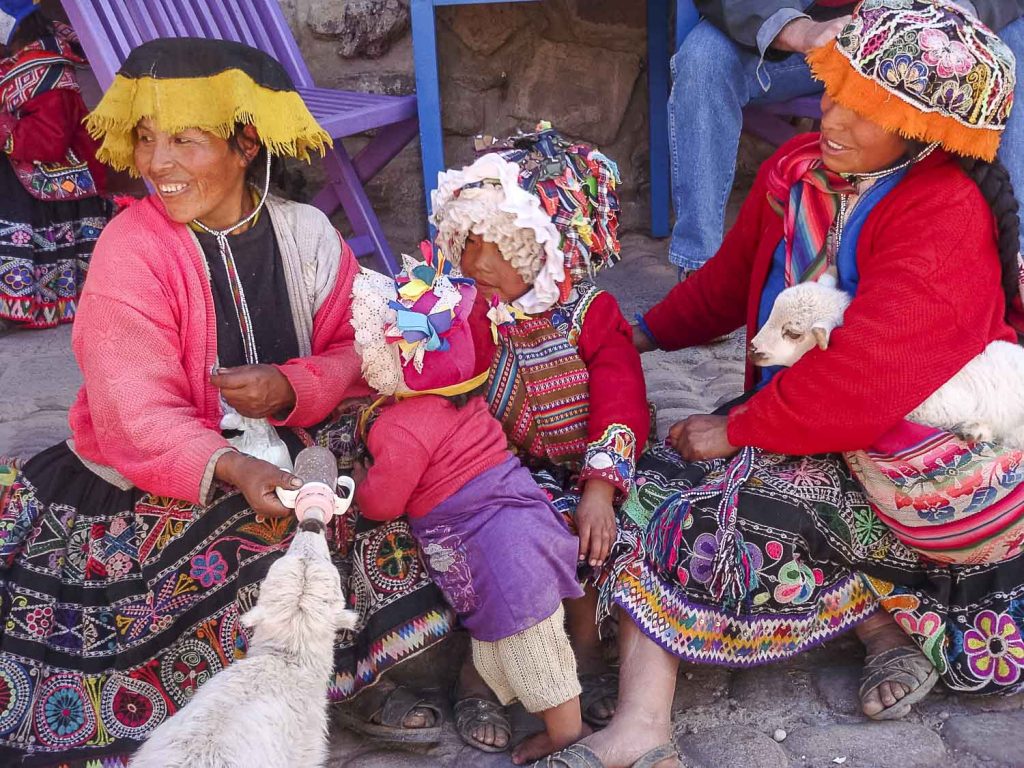
Respect starts with simple actions. Saying hello in the local language, like using “Allianchu” in Andean Quechua, shows interest in local life. Even learning a single word can build a connection and demonstrate cultural respect while hiking.
Giving gifts to children, such as sweets or toys, can create problems over time and may change what children expect from visitors. Supporting community projects is better. Locally approved groups often welcome donations for education, health, or conservation. These can be given through trusted community channels or during organized visits.
Taking part in community activities works best when the invitation comes from the community. Watching weaving, joining shared meals, or attending organized events helps everyone know what to expect. Staying away from private or sacred ceremonies helps keep trust strong. Community-run programs allow visitors to learn while giving back, and families benefit when tourism income stays home.
Before your trek, verify all permits and permissions with local authorities. Research cultural protocols specific to your destination. Confirm that your guide service employs local community members at fair wages. Pack out all waste and stay on established trails. Learn basic phrases in the local language. Ask permission before taking photographs. Support community projects rather than giving individual gifts. Choose organized tours that include cultural briefings and proper documentation.
Indigenous land stewardship practices differ from standard ‘Leave No Trace’ principles in their view of the earth as a living system requiring active care. While ‘Leave No Trace’ focuses on minimizing impact, indigenous traditions emphasize reciprocal relationships with the land. Both approaches protect water sources and wildlife. Both discourage trail erosion and campsite damage. Indigenous practices often include seasonal restrictions and ceremony protocols. Knowing these differences helps travelers respect both environmental and cultural values during mountain treks.
Travelers who plan treks on lands cared for by indigenous communities should contact local leaders early. Choosing respected local operators, following rules, and supporting the people who care for the land throughout the journey helps keep both wild places and local ways of life strong. These actions help ensure travel has a positive effect for everyone involved and help keep cultural ties as healthy as the wild trails themselves.