AdventuresNW



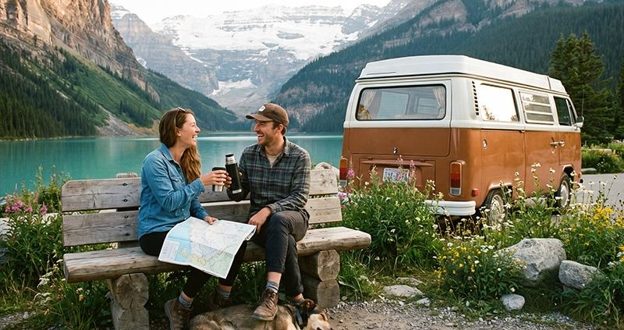
There is something quite thrilling about the moment the city starts to fall away in your rearview mirror. Maybe it’s an open road stretching toward a line of mountain silhouettes, a highway lined with tall forest trees, or a quiet coastal sunrise that you have all to yourself. The perfect weekend road trip is built from moments like these, and the destination is not always the most memorable part.
The trips people talk about for years usually come down to the unplanned detour, the roadside diner, and the overlook you almost drove past. Ironically, those moments come easiest when the basics are already handled. A route you trust, a car ready for the miles ahead, and a good set of highway tires leave you free to enjoy spontaneous adventures. This guide walks you through planning a weekend getaway that is organized where it matters and flexible everywhere else.
Start with a Route That Inspires You
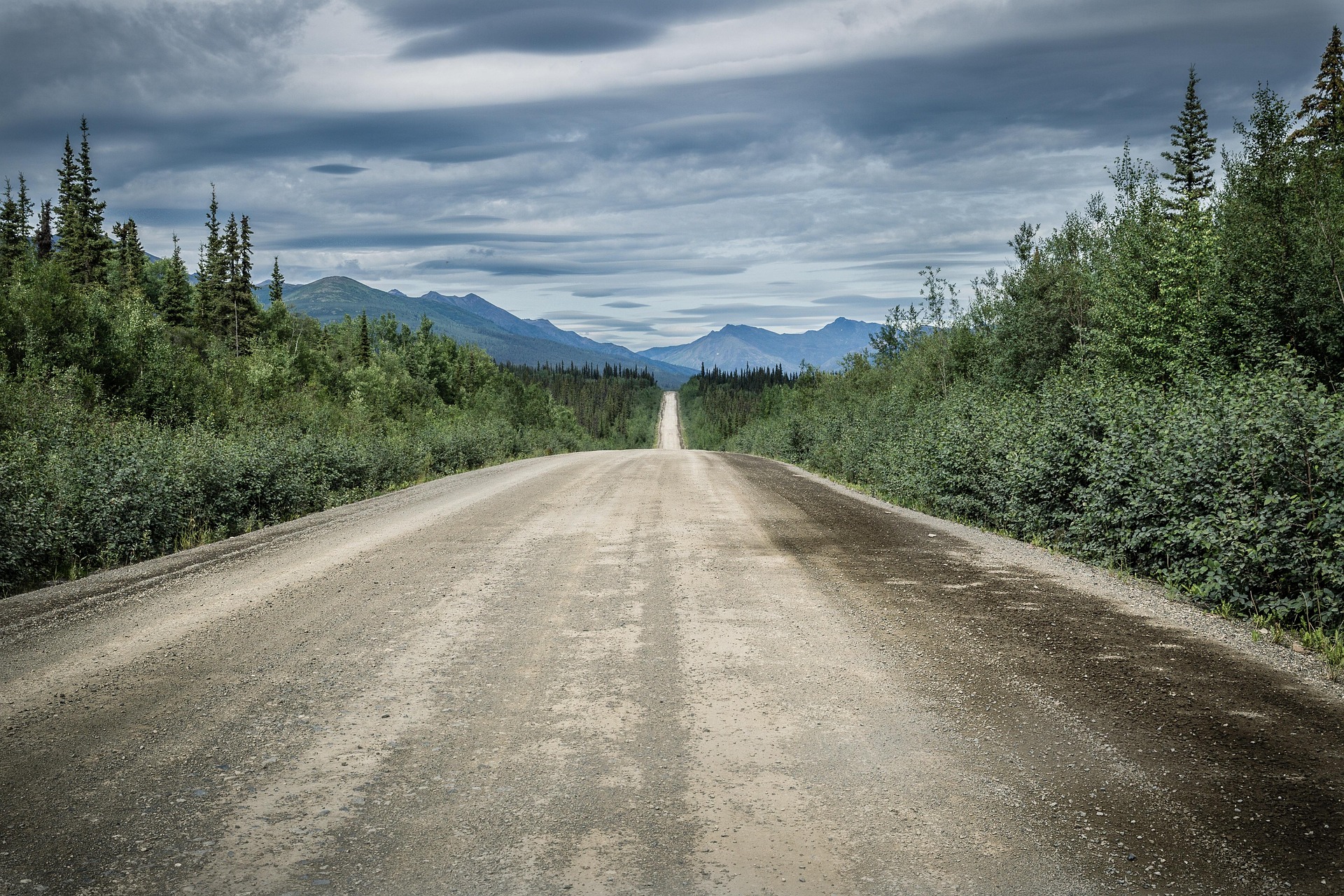
Choose a destination close enough that the drive is part of the fun rather than a chore. For a weekend getaway, two to four hours each way is a comfortable range, leaving plenty of time to stop, explore, and still enjoy where you are headed. Before you commit to the weekend trip, make sure to check the forecast and current road conditions, including construction, closures, and mountain pass restrictions. Then match the route to the season. Fall is made for foliage drives, summer for the coast, and if the coast is calling, this guide to Pacific Coast adventure is a good place to start. In winter, you should give yourself extra time.
A long drive also puts steady demands on your vehicle, so take a few minutes to check your highway tires before hitting the road. You should look for uneven wear, cracks, bulges, or embedded objects, and measure the tread depth to confirm you have enough left for the miles ahead. Set tire pressure to the level listed on the sticker inside the driver’s door or in the owner’s manual, and check it when the tires are cold, since proper inflation improves handling, fuel economy, and tire life. If you will be carrying extra passengers or luggage, follow the manufacturer’s recommendations for loaded driving. With the tires sorted, you can spend the rest of your planning time on the fun parts.
Build an Itinerary, but Leave Room for Detours
Since this is a weekend getaway, you should pick one main destination and add two or three stops along the way. A scenic overlook, a short hike, a waterfall, or a local market is plenty. Small-town cafes are worth a spot on the list too, since the best ones tend to be the places you never planned to find.
The trick is not to fill every hour with an activity. Having a packed schedule can turn a getaway into a checklist, and you end up watching the clock instead of enjoying the view. Leave a little slack between stops, and when a roadside viewpoint or a hand-painted sign catches your eye, you will have time to pull over and see what it is about.
Pack for Comfort, Convenience, and Adventure
Mountain mornings and coastal evenings can feel nothing like the afternoon in between, so packing layers is a must. For example, pack a light jacket, a warm layer, and something breathable that can cover most weather surprises. Comfortable shoes matter too, and if a hike is on your list, toss in a sturdier pair.
Keep your water, snacks, a small first-aid kit, and charging cables within easy reach, instead of burying those essentials in the trunk. It also helps to download offline maps before you go, since cell service has a funny habit of disappearing right after the scenery gets good. From there, add whatever your plans call for, whether that’s sunscreen, a swimsuit, a camera, or a daypack.
One last tip: always pack lighter than you think you need to. A car that’s easy to load and unload makes it much simpler to say yes when a spontaneous stop comes along.
Choose Stays That Add to the Experience
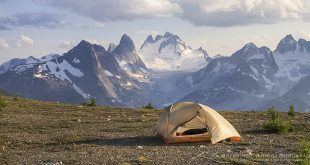
Where you sleep can shape the whole trip. A cabin tucked into the trees, a lakeside campsite, or a small family-run inn gives you a real sense of place, and you wake up already in the middle of the scenery instead of driving toward it. Locally owned spots also tend to come with perks a chain can’t match, like a host who knows the best trailhead or a breakfast worth setting an alarm for. In the fall, some campsites put you close to calm lakes you can reach right from your tent, making for an easy morning paddle.
Popular locations fill up fast, so make sure to book early, especially for peak-season weekends. It’s also worth checking seasonal availability, since some campgrounds and mountain lodges close or cut back their hours in the off months. Finally, pick a place close to what you came to see. A stay that’s right by the trail, the beach, or the main street means more time enjoying the landscape and less time buckled in the car.
Discover the Places Between Destinations
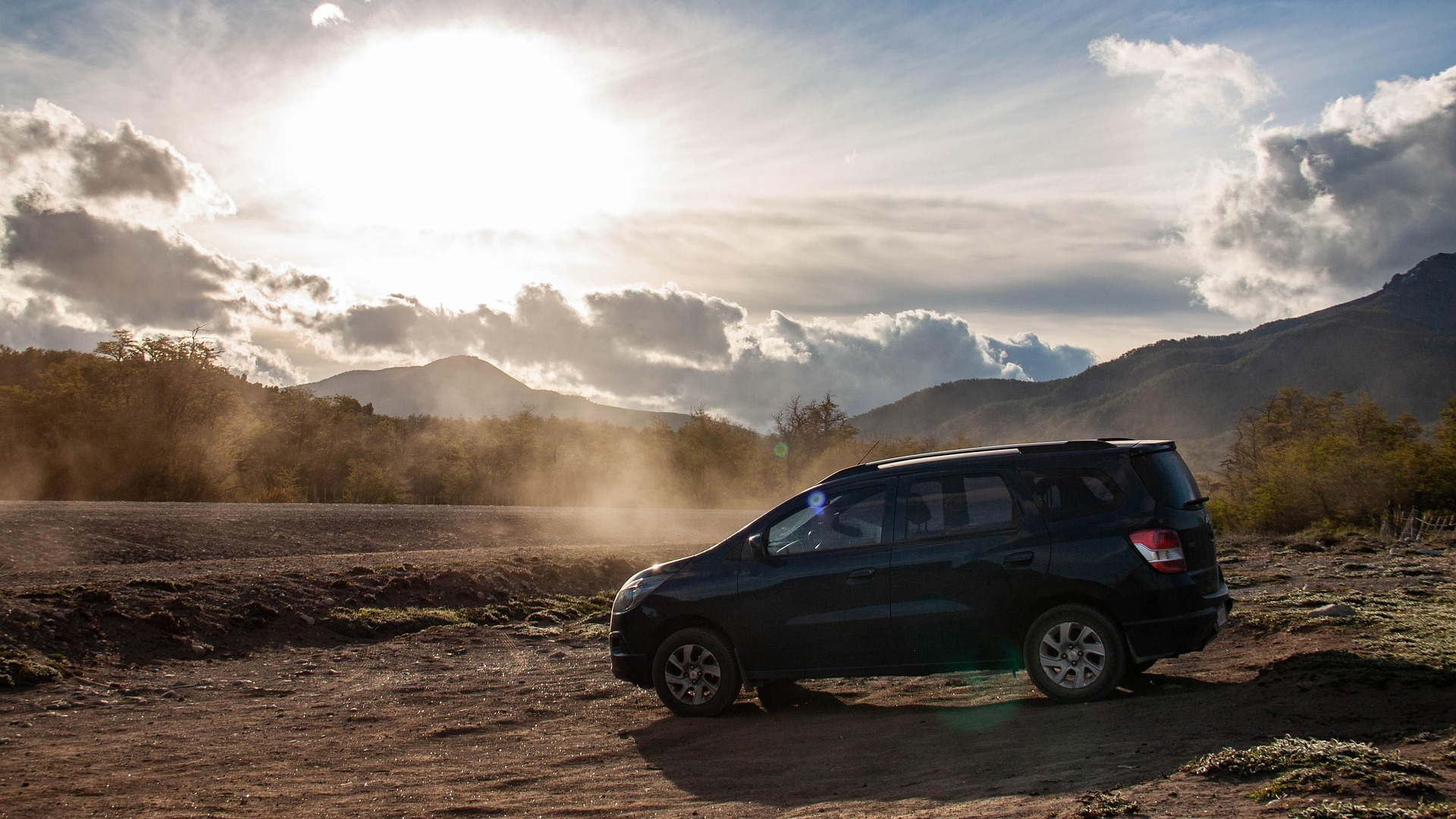
This is where a good road trip turns into a great one. Skip the drive-through once in a while and pull over at the diner with the full parking lot, the roadside stand selling peaches by the bag, or the bakery everyone in town seems to know. Local food tells you more about a place than any guidebook can, and it usually tastes better too.
Strike up a conversation with the locals. Ask the person behind the counter where they would watch the sunset or which trail they hike on a slow morning. Residents tend to know the quiet overlooks, the lesser-known trails, and the independent shops that never make the top-ten lists, and most of them love to share. Some of your best stops will come from a simple “what do you recommend?” That’s how many travelers discover places like Mt. Rainier National Park, where a little local insight goes a long way.
However, keep in mind that a little respect keeps those places special. Stick to marked trails, follow any local guidance, and keep a respectful distance from wildlife. Take your trash with you, and leave each spot as you found it so the next person gets to discover it too.
Make the Return Journey Count
Give yourself more time for the drive home than you think you’ll need. Make sure to check the weather and traffic before you leave, and try to head out early enough that you aren’t racing the sunset or the Sunday rush. If you start feeling tired, pull over, stretch, and swap drivers if you can.
If there’s room in the schedule, treat the ride home like part of the trip. Grab one last breakfast at a spot you’ve been eyeing, take a short walk through the trees, or choose a scenic route over the faster one. These little extras make the weekend feel like it ends gently instead of all at once. The goal is to get home feeling refreshed, not wrung out. If you pull into the driveway relaxed and already thinking about the next trip, you planned it right.
Enjoy the Journey, Not Just the Destination
The best road trips come down to a little preparation and a lot of freedom. Get the basics sorted, then let the road do the rest. A reliable car, a loose plan, and a full tank are all it takes to turn an ordinary weekend into something you’ll still be talking about months from now.
So, choose a direction and head out. Take the turnoff you weren’t planning on, grab a table at the crowded diner, and stop for the view even if it puts you behind schedule. The map will still be there when you get back, and the best stories rarely follow it anyway.