AdventuresNW



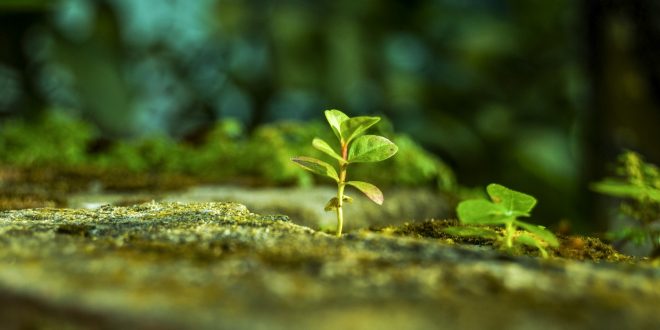
“Being human means acknowledging that we’re made from the earth and will return to the earth… We are earth that has come to consciousness.”
— Richard Rohr, Simplicity: The Freedom of Letting Go
My father taught me to fish from a little rowboat on Squalicum Lake and the muddy banks of the Nooksack River. Before heading out for a day or weekend of fishing, we dug bait worms in the garden. On the water, Dad helped me tie a leader to my line, and a hook to my leader. He showed me how to bait a hook and cast it. And he repeatedly helped unsnag hooks and untangle lines. If I actually caught anything, we brought the fish home where I cleaned it, then buried the offal in the garden. On those trips with my dad, I meted out death to plenty of worms and the occasional fish. When I actually caught something, I received its nourishment, as did the garden. The process was an early lesson in natural cycles. Though, at nine years old, my sense of mortality was still a long way off, and I didn’t complete the cycle in my imagination, not acknowledging that someday, my body would also return to earth.
I don’t fish much these days, but do spend a lot of time thinking about the cycles of life and death. After all, I own a funeral home. I think a lot about atoms too. I think about the atoms that you and I have the good fortune of borrowing for our allotted time on earth. Atoms that were forged in the furnaces of the stars and traveled through the cosmos for eons until they formed the planet we call home. Our borrowed atoms have participated in countless natural cycles, forming minerals, liquids, plants, animals, and other humans. After so many cycles of cohesion and entropy, they organized in a new configuration to support our consciousness. Someday our collection of atoms will become too disordered to support sentience any longer. Entropy will take over again, and we will die. But these atoms will persist forever, taking on new forms, participating endlessly in natural cycles.
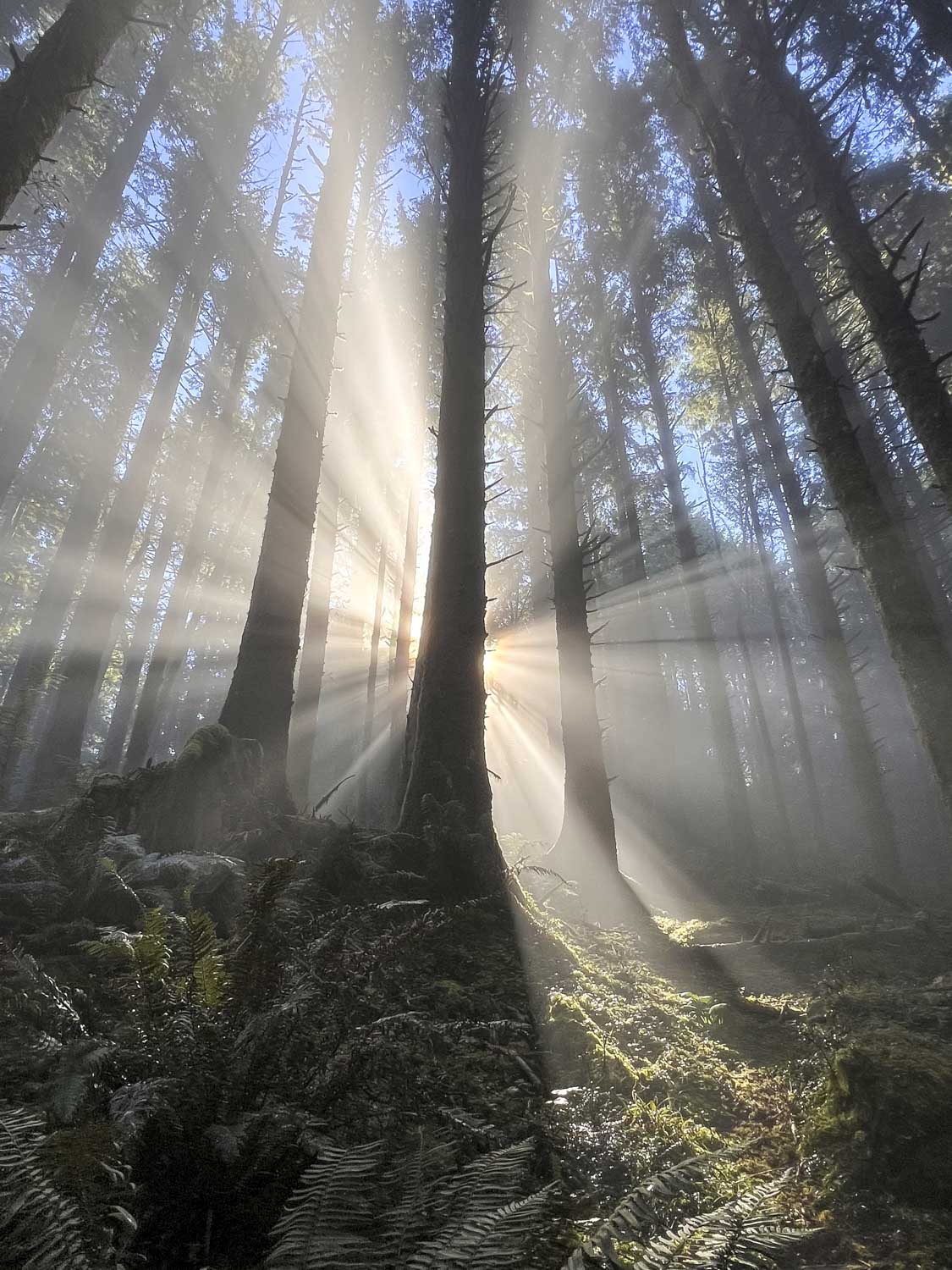
Our atoms arise from the earth, carry our being, and return to earth as nutrients for new life. But for approximately the last two hundred years, we have altered this pattern by preserving bodies with toxic chemicals to encase them in steel and concrete below the microbial layer of soil, or by incinerating them to send them up a chimney, leaving only a little bit of calcium phosphate and sodium along with some atmospheric pollution. These funerary practices epitomize our cultural disassociation from nature and from a healthy relationship with mortality.
Have you ever heard someone say, “I don’t care what you do with my body after I die?” I have encountered this sentiment a lot, and have come to recognize it as an expression of this disconnect from mortality and nature. We will die, and we are nature. Yet we expend and consume exorbitant amounts of energy and resources to deny these realities.
In fact, I believe that many of us care deeply about what happens to our bodies just as we care about what happens to the natural world. But for a long time, we only had two options: conventional burial and cremation. For a lot of people, neither of these options really makes sense. They don’t seem rational scientifically, emotionally, or spiritually. They don’t resonate with our lived values. Conventional burial, with its trappings, toxic chemical preservation, expense, and perceived waste, can feel burdensome and hollow. Cremation, when we parse it out, is an industrial process that can also feel void of meaning. They both have an environmental impact, especially when considering their aggregate effects, and both may serve to disconnect our mortality from natural cycles. I think some of us assuage discomfort with this limited choice by saying, “I don’t care.”
A recent focus of my work is introducing new options that make sense. Options like green burial and terramation (human composting) that can be used to further ecological restoration and conservation goals. Options that nourish new life and place us in a healthy relationship with mortality and nature. Options that remind us of the fact that we are nature.
When exploring these methods of disposition for the first time, I have watched people react viscerally as a new sense of care for what will happen to their bodies washes over them. When we talk about choices that fit the values they have built a life on, some folks light up. They may even get a little excited knowing their atoms can continue to participate in natural cycles unimpeded, that they can become a tree ensuring they can contribute to the health of a native ecosystem, that they are and will continue to be nature.
There is meaning and comfort to be found in these scientific realities. Such meaning and comfort can be an easy companion to faith. Early in my career, I met with a gentleman who had come in to make green burial arrangements for his wife who recently died of cancer. The man’s family had farmed the fertile soil of the Nooksack Valley for three generations. He was very upfront in telling me he didn’t care a whit for the ecological benefits of green burial; he just wanted to plant a very special bigleaf maple tree over his wife, and this was the best way to do that. She had planted the maple sapling two years prior, just before she got sick, and had nurtured it throughout her journey with cancer. It had given her a reason to continue when it was hard. And he wanted her to continue nourishing the tree.
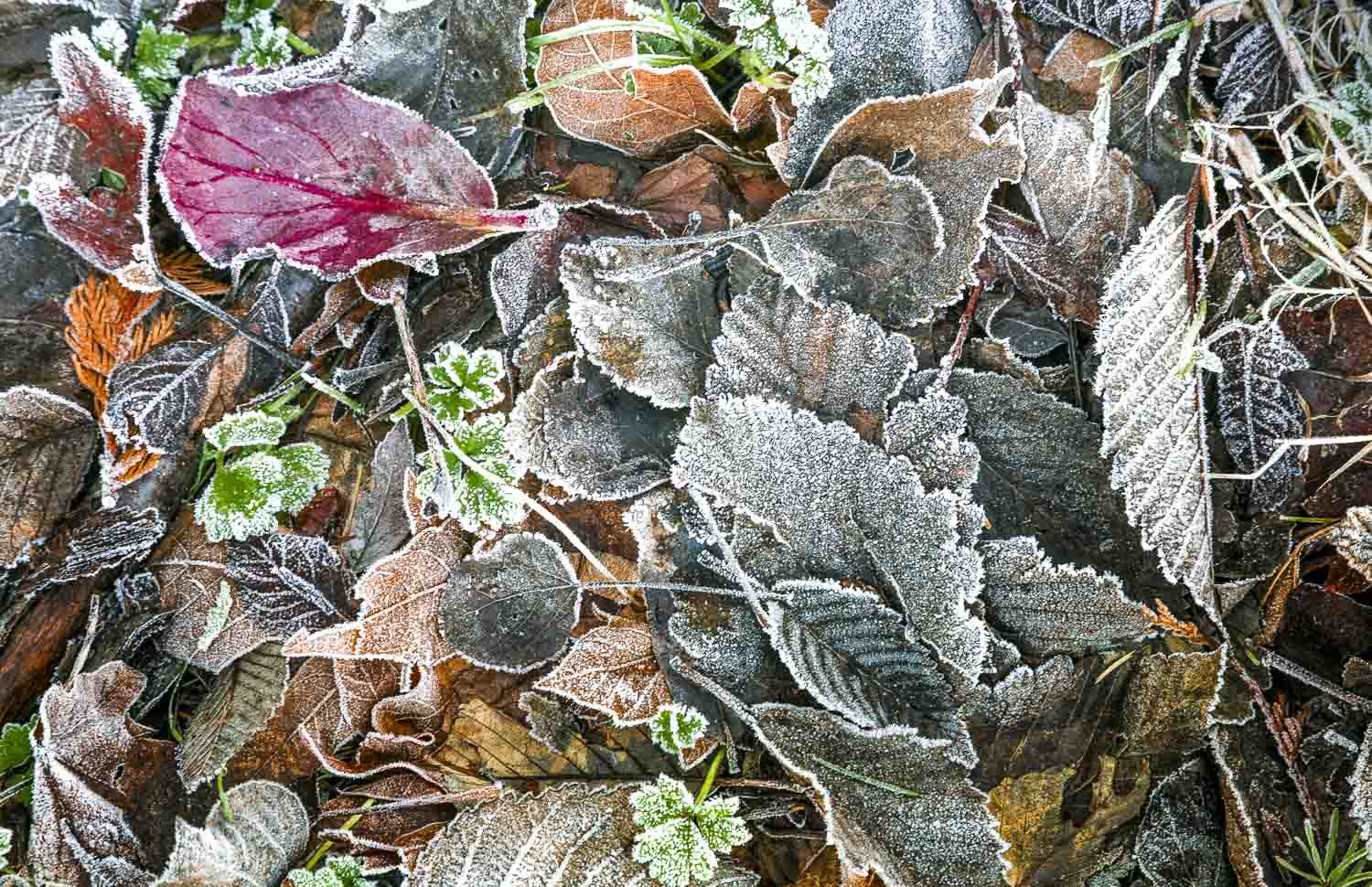
Over the course of our meeting, he reflected on how hard his wife worked, how simple their pleasures were, and how he wanted her funeral to reflect that. When the time came for him to choose the vessel that would hold his wife’s remains, we looked at solid wood caskets, woven wicker caskets, and a cotton burial shroud. He looked at the shroud, shrugged, and said, “If it’s good enough for Jesus, it’s good enough for my wife.” On the day of the burial, family and friends gathered. They lowered her by hand into the embrace of the earth, and they closed the grave themselves. Such a simple and intimate thing to do. And it can be so healing to do these necessary physical tasks as a community of loved ones. The work requires very little thought, allowing minds to slow down and emotions to process.
Just under a year later, I gathered again with the farmer, his son, his daughter, and two grandchildren to plant the maple along with a red-flowering currant and bleeding hearts at the grave. By now, the maple had grown a bit beyond the sapling stage. He brought it in the back of his pickup, its root ball contained in a large metal tub. He also thought to bring his own compost to add to the holes we dug for planting, and mulch to place around the newly planted native flora.
As we worked together, the farmer talked about nutrient cycles and how the roots of the maple tree his wife had tended in her last years of life would eventually absorb her nitrogen. The daughter mentioned that in a couple of years the currants on this little shrub might contain atoms that had been part of her mother, now transformed into bittersweet nourishment for her grandkids. The son leaned on his shovel and said, “You know, Dad, that’s resurrection too.”
Next spring, the opening day of fishing season will arrive at the end of April. I will head to Yeager’s to pick up a fishing license and some tackle. When digging up worms, and after I hook a trout, clean, cook, and eat it, I hope to approach the experience with a reverence my nine-year-old self was only beginning to guess at. While I am fishing, as dusk settles over the water and bats start to swoop and dive for insects, I will try to recognize the cycles playing out around me, knowing that I am nature, knowing I am earth come to consciousness.
 Brian Flowers is the owner of Wildflower Funeral Concepts, a funeral home in Ferndale, WA, specializing in eco-friendly options. He is most content on the beaches and in the mountains of the PNW. Brian occasionally moonlights as a professional performing storyteller.